1964 Ford Falcon Sprint a Brief History

1964 FORD FALCON SPRINT

1964 Ford Falcon Sprint

The 1964 Ford Falcon Sprint is a classic Ford car that holds a special place in the hearts of many car enthusiasts. This vintage Ford model was known for its sleek design, powerful engine, and affordable price. While it may have been over 50 years since its release, the 1964 Ford Falcon Sprint is still a highly sought-after car for collectors and enthusiasts alike. In this article, we will explore the history of this iconic car and discuss the process of restoring one to its former glory.

The History of the 1964 Ford Falcon Sprint 1964 Ford Falcon Sprint The Ford Falcon was first introduced in 1960 as a compact car designed to compete with other popular models of the time, such as the Chevrolet Corvair and the Plymouth Valiant. In 1963, Ford released the Falcon Sprint in hardtop and convertible, a sportier version of the original Falcon. The Sprint featured a more powerful 260 cid V8 engine, bucket seats, and a floor-mounted shifter (when equipped with the optional 4 speed), making it a popular choice among car enthusiasts. The Falcon Sprint hardtop was also used in various racing events, solidifying its reputation as a high-performance vehicle.

If you're looking to restore a 1964 Ford Falcon Sprint, the first step is to find one for sale. While it may be challenging to find one in good condition, there are still some available for purchase. You can search online for classic car dealerships or browse through online marketplaces such as eBay or Craigslist. It's essential to thoroughly inspect the car before making a purchase, as it may require significant restoration work.

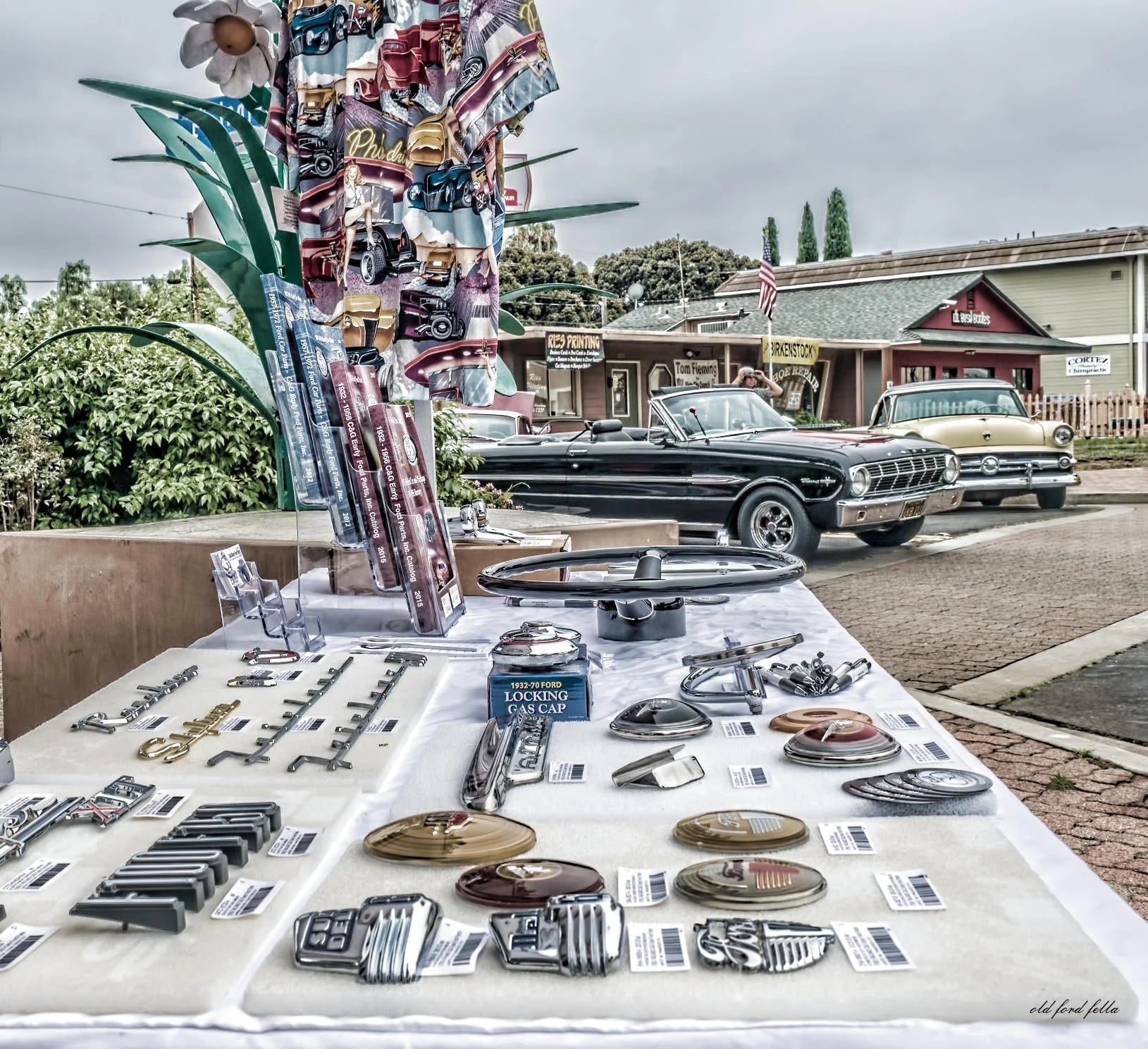
Restoring a vintage car like the 1964 Ford Falcon Sprint requires a lot of time, effort, and money. It's crucial to have a clear plan and budget in place before starting the restoration process. The first step is to assess the condition of the car and determine which parts need to be replaced or repaired. It's essential to use original or high-quality reproduction Ford parts to maintain the authenticity and value of the car.

Once you have successfully restored your 1964 Ford Falcon Sprint, it's crucial to maintain it properly to preserve its value and performance. Regular maintenance, such as oil changes, tune-ups, and inspections, is essential to keep the car running smoothly. It's also essential to store the car in a dry, climate-controlled environment to prevent rust and other damage. Owning a 1964 Ford Falcon Sprint is more than just having a classic car; it's about reviving nostalgia and preserving a piece of history.

Restoring this iconic car is a labor of love that requires dedication and passion. But the end result is a beautiful, high-performance vehicle that will turn heads and bring joy to its owner.

Are you a fan of the 1964 Ford Falcon Sprint? Have you restored one yourself? Share your thoughts and experiences in the comments below.

Leave a comment

Please note, comments need to be approved before they are published.

MORE CLASSIC FORD INSIGHTS

Classic Ford Parts

Classic Ford Parts

Classic Ford parts are essential components for enthusiasts and collectors who aim to restore, maintain, or customize their vintage Ford vehicles. Ford, one of the most iconic automakers in history, has produced a range of classic cars that have a special place in the hearts of many. From the legendary Model T to the Mustang, the legendary F series pick ups and Mercury's each classic Ford model has its unique set of parts and accessories that are sought after by collectors and restorers worldwide. The allure of classic Ford parts lies in their ability to bring a piece of automotive history back to life. These parts are not just replacements; they are fragments of a bygone era, each with a story to tell. Restoring a classic Ford using reproduction parts is like preserving a piece of art. It's about maintaining the integrity and authenticity of a vehicle that has been a symbol of American culture and innovation. One of the challenges in restoring classic Fords is finding the right parts. Authentic parts are often scarce, and locating them can be a painstaking process. Fortunately, C&G Ford Parts has made it easier for enthusiasts and restorers to find what they need. We have have a vast inventory of reproduction parts, from crank pulleys to dash bezels, and we cater to a range of models and years. The quality of classic Ford parts is paramount. Authentic parts are typically more durable and fit better than aftermarket replicas, but are very hard to find. Reproduction parts on the other hand ensure that the vehicle remains true to its original form, which is crucial for maintaining its appeal. For those who cannot find authentic parts, high-quality reproductions are the next best option. These parts are manufactured to match the original specifications as closely as possible. For many, the restoration of a classic Ford is more than a hobby; it's a passion. It involves meticulous work and a deep appreciation for the craftsmanship and engineering of a bygone era. Whether it's a complete restoration or a minor repair, using classic Ford parts is essential to keeping the legacy of these timeless vehicles alive. As these cars continue to age, the demand for high-quality classic parts is only expected to grow, making them an integral part of the classic car community.
No image

Old Ford? Come experience GREAT customer service!

Old Ford? Come experience GREAT customer service! Have you had enough of poor customer service and lack of technical knowledge when it comes to your old Ford? Believe me we know what it's like. If you're like most people, you probably start off full of drive and excitement, and making good progress on your project for a few weeks or months, but then - Murphy gets busy annoying you! As soon as you get one thing sorted another pops up, you get distracted and your project gets dumped in the too hard basket. And to make matters worse, there's always that one person who keeps asking you how your restoration is going, and you know they're having a good old laugh at your expense. You end up feeling confused and overwhelmed by all the technical jargon and mechanical issues you just don't understand. Until recently the only solution for amateur mechanics trying to break through the restoration problem on an old Ford, was to either obtain a full-time flathead mechanic somewhere or to hire a restoration company to do it for you. The problem with this option is that expert flathead mechanics are hard to find, and even if you do manage to find one willing to help you out, you'll be looking at upwards of $100 per hour, which is simply out of reach for most old ford owners. And it's for this reason that I'm pleased to reveal C&G Ford Parts has free technical help for its customers and we are staffed with folks that currently own or have owned old Ford cars or old Ford trucks! Here at C&G Ford Parts we've been helping old Ford owners with their restoration needs and supplies for over 40 years! And what we've proven over and over in our business is that the easiest and most reliable way to finish up your project is by adding a go to guy to your toolbox. It's literally the difference between a frustrating and annoying project and a "life changing, quit your job" kind of result. (ok, maybe not quit your job). With C&G Ford Parts lending their expertise and supplying your parts you'll be able to restore your vehicle with the fun and excitement you had hoped it would bring! If you get stuck you always know all you need to do is dial us up or drop us an email and we'll be there! Now what makes our service different from any other parts service out there is that there's NO additional costs - No out today fees, no added shipping fees, no waiting for days for a tech to call back AND you're covered for as long as you're a customer! Let's take a look at how C&G Ford Parts helps you. Our customers enjoy: Free tech support from old ford owners Friendly live person customer service Best reproduction parts available Over 100 manufacturers Worldwide shipping This is just a taste of what people are already saying about C&G Ford Parts: ----- Well organized, responsive, helpful in planning parts needs for specific project —Lawrence G. ----- How quick and efficient can you guys get?!! —Terry M. So, You've wasted enough of your time, energy, and sanity on trying to fix those irritating issues by yourself! You can finally put an end to all your frustration and disappointment simply by giving C&G Ford parts a call, email or web form question. Just imagine waking up in the morning, opening your mailbox, and finding your parts order no matter where you are in the world. You smile to yourself as you realize the fun an old car can be when you have the right help. So pick up the phone or computer mouse and let us fill your old ford parts order quickly and efficiently.
Evolution of Ford Generators

Evolution of Ford Generators

The evolution of the early Ford generator is a fascinating journey through the annals of automotive history, showcasing Ford's pioneering role in electrical system innovation. From the early 1900s to the 1950s, Ford generators underwent significant transformations in design and output, reflecting the increasing electrical demands of automobiles. 1920s: The Birth of the Ford Generator In the 1920s, Ford transitioned from the magneto system to actual generators. These early generators, used in models like the Model T, were a leap forward in automotive electrical systems. They typically produced about 6-8 volts and 10-15 amperes. This was a modest output, but it marked a significant improvement over the earlier systems, providing more reliable power for lighting and ignition. 1930s: Advancements in Power Output By the 1930s, as vehicles incorporated more electrical components, classic Ford generators evolved to meet these new demands. The output increased to approximately 12 volts, with the current rising to around 30-40 amperes. This improvement was crucial in powering additional features like radios and heaters, which were becoming standard in vehicles. 1940s: Post-War Technological Growth Post-World War II, the 1940s saw further advancements in Ford generators. The output stabilized around 12 volts, but the current capabilities expanded, reaching up to 40-50 amperes. This era's generators were more efficient and reliable, reflecting technological advancements and the growing complexity of automotive electrical systems. 1950s: The Peak of Generator Technology The 1950s represented the peak of generator technology before the transition to alternators. Ford generators during this decade were robust, producing 12 volts and capable of up to 50-60 amperes. This increased capacity was essential for powering more sophisticated electrical systems, including advanced lighting, climate control, and entertainment systems. In conclusion, the evolution of the early Ford generator from the 1920s to the 1950s is a testament to Ford's innovation in automotive technology. Each decade brought significant improvements in output and reliability, mirroring the evolution of automobiles themselves. From the humble beginnings of powering basic vehicle functions to meeting the demands of more complex and luxurious features, Ford generators played a crucial role in the advancement of automotive electrical systems.