Old Ford? Come experience GREAT customer service!

Old Ford? Come experience GREAT customer service!

Have you had enough of poor customer service and lack of technical knowledge when it comes to your old Ford? Believe me we know what it's like. If you're like most people, you probably start off full of drive and excitement, and making good progress on your project for a few weeks or months, but then - Murphy gets busy annoying you! As soon as you get one thing sorted another pops up, you get distracted and your project gets dumped in the too hard basket. And to make matters worse, there's always that one person who keeps asking you how your restoration is going, and you know they're having a good old laugh at your expense. You end up feeling confused and overwhelmed by all the technical jargon and mechanical issues you just don't understand.

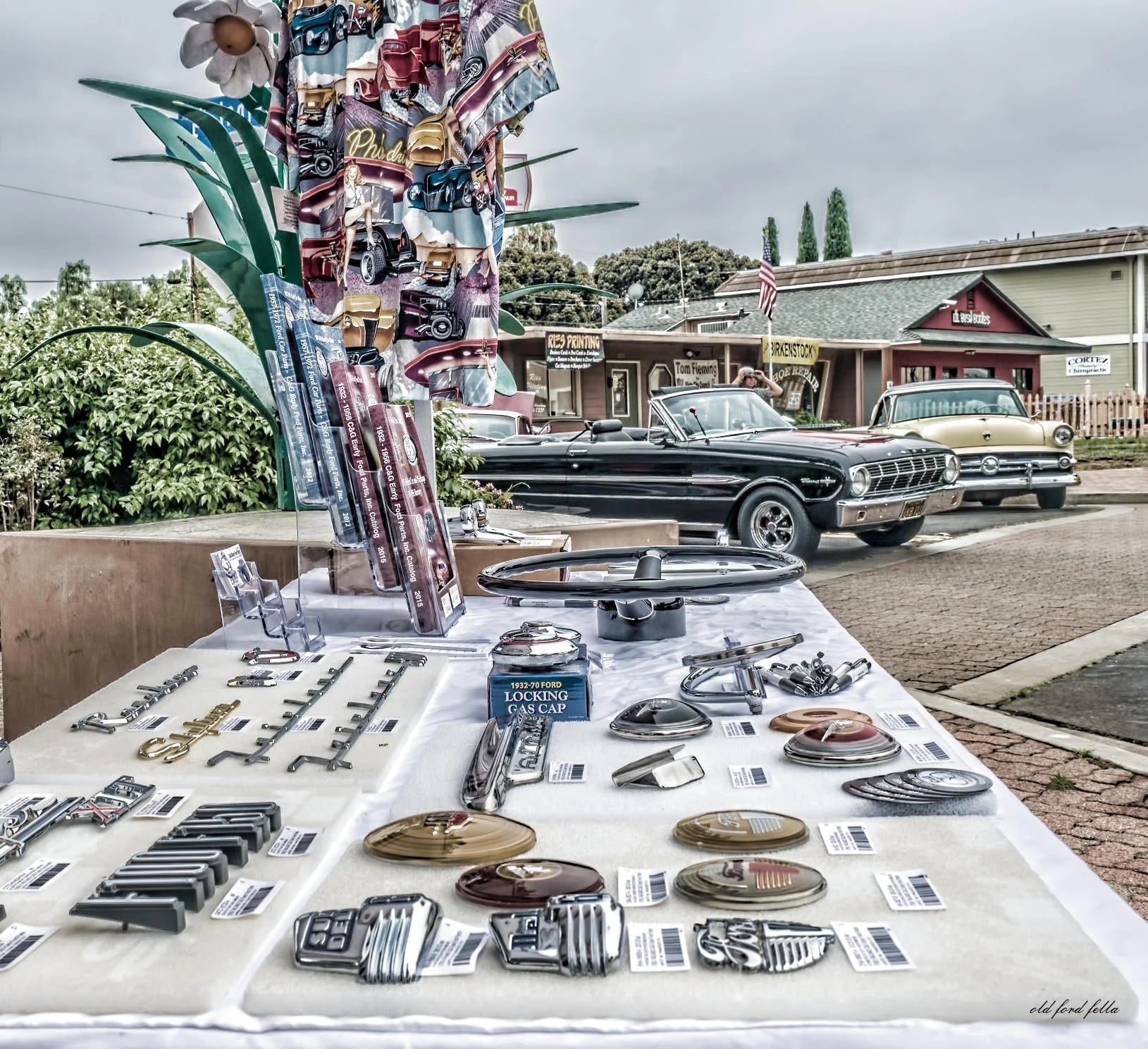
Until recently the only solution for amateur mechanics trying to break through the restoration problem on an old Ford, was to either obtain a full-time flathead mechanic somewhere or to hire a restoration company to do it for you. The problem with this option is that expert flathead mechanics are hard to find, and even if you do manage to find one willing to help you out, you'll be looking at upwards of $100 per hour, which is simply out of reach for most old ford owners. And it's for this reason that I'm pleased to reveal C&G Ford Parts has free technical help for its customers and we are staffed with folks that currently own or have owned old Ford cars or old Ford trucks!

Here at C&G Ford Parts we've been helping old Ford owners with their restoration needs and supplies for over 40 years! And what we've proven over and over in our business is that the easiest and most reliable way to finish up your project is by adding a go to guy to your toolbox. It's literally the difference between a frustrating and annoying project and a "life changing, quit your job" kind of result. (ok, maybe not quit your job). With C&G Ford Parts lending their expertise and supplying your parts you'll be able to restore your vehicle with the fun and excitement you had hoped it would bring! If you get stuck you always know all you need to do is dial us up or drop us an email and we'll be there! Now what makes our service different from any other parts service out there is that there's NO additional costs - No out today fees, no added shipping fees, no waiting for days for a tech to call back AND you're covered for as long as you're a customer!

Let's take a look at how C&G Ford Parts helps you. Our customers enjoy:

  • Free tech support from old ford owners
  • Friendly live person customer service
  • Best reproduction parts available
  • Over 100 manufacturers
  • Worldwide shipping

This is just a taste of what people are already saying about C&G Ford Parts:

----- Well organized, responsive, helpful in planning parts needs for specific project —Lawrence G.

----- How quick and efficient can you guys get?!! —Terry M.

So, You've wasted enough of your time, energy, and sanity on trying to fix those irritating issues by yourself! You can finally put an end to all your frustration and disappointment simply by giving C&G Ford parts a call, email or web form question. Just imagine waking up in the morning, opening your mailbox, and finding your parts order no matter where you are in the world. You smile to yourself as you realize the fun an old car can be when you have the right help. So pick up the phone or computer mouse and let us fill your old ford parts order quickly and efficiently.

Leave a comment

Please note, comments need to be approved before they are published.

MORE CLASSIC FORD INSIGHTS

Baby Moon hub cap

Baby Moon hub cap

The Baby Moon Hub Cap: A Blast from the Past If you're a fan of classic automobiles and have a soft spot for Americana, you've likely come across the term "baby moon hub cap" at some point. These shiny, timeless accessories have a fascinating history and a unique place in the world of automotive design. In this blog post, we'll dive into the development, design, production statistics, and popularity of the baby moon hub cap. Development and Design The Baby Moon hub cap, also known simply as "baby moons," emerged during the golden era of classic Ford automobiles in the 1950s and 1960s. These hub caps are characterized by their smooth, minimalist design. Unlike their full-sized counterparts, which were aluminium, baby moons were all about simplicity and elegance. Made from high-quality chrome or stainless steel, baby moons were designed to fit snugly over the hub of a car's wheel, providing a clean and polished look. Their minimalist design made them a popular choice among car enthusiasts who appreciated the understated beauty of classic cars. Production Statistics While it's challenging to pinpoint exact production statistics for baby moon hub caps, they were widely produced during the mid-20th century, primarily as aftermarket accessories. Various manufacturers, including companies like Mooneyes, produced these hub caps to cater to the growing demand from car owners looking to enhance the aesthetics of their vehicles. During their heyday, baby moons could be found on a wide range of American cars, including Ford, Chevrolet, and Dodge models. They became a symbol of the era's automotive style and are closely associated with the classic Ford automobiles that many enthusiasts still cherish today. Popularity Over the Years The popularity of baby moon hub caps has endured over the years, thanks to their timeless design and association with the classic Americana era. Car enthusiasts and collectors continue to seek out these hub caps to complete the authentic look of their vintage vehicles. Additionally, baby moons have found a place in modern hot rod and custom car culture. Enthusiasts often use them to add a touch of nostalgia to their custom builds, demonstrating the enduring appeal of these simple yet iconic accessories. Conclusion In conclusion, the baby moon hub cap is a classic automotive accessory that has left an indelible mark on the world of classic cars and Americana. Its development, design, and continued popularity reflect the enduring appeal of timeless automotive aesthetics. While exact production statistics may be elusive, the legacy of the baby moon hub cap lives on in the hearts of car enthusiasts and collectors, making it a cherished piece of automotive history.
1959 PARK LIGHT HOUSINGS

1959 PASSENGER/RANCHERO PARK LIGHT HOUSINGS

INTRODUCING A NEW ITEM, THE 1959 PASSENGER AND RANCHERO PARK LIGHT HOUSINGS!  
1960-65 Ford & Mercury Door Seal Installation

1960-65 Ford & Mercury Door Seal Installation

1960–1965 Ford & Mercury Door Seal Installation Guide (C0DZ-6220530-PR) Application This guide applies to vehicles using door seal set C0DZ-6220530-PR, including: 1960–1965 Falcon / Comet – 2 Door Sedan 1960–1965 Falcon / Comet – 2 Door Wagon 1960–1965 Ranchero 1960–1965 Sedan Delivery These vehicles use perimeter door seal mounted directly to the door shell. Proper installation is critical for wind noise reduction, water control, and correct door closing tension. Original Shop Notes 3M-8001 Glue C0DZ-6220530-PR 60-65 Falcon/Comet 2DR Sedan 60-65 Falcon/Comet 2DR Wagon 60-65 Ranchero 60-65 Sedan Delivery Installation notes: Remove old door seals Clean inside door surface Clean door seals Test fit door seals, maybe tape seals to door Put glue on door, work in sections These notes capture the core sequence used in many restoration shops when replacing early-1960s Ford door seals. Door Seal Replacement Procedure 1. Remove the Existing Door Seals Start by removing the original seals from the door. On vehicles from this era, the rubber seal is typically glued directly to the door rather than clipped or retained with molded fasteners. Over decades the adhesive hardens and the rubber may tear during removal. Work slowly along the channel and peel the seal away from the metal surface. Remaining adhesive residue or fragments of the old rubber should also be removed during this stage so the new seal can sit flat against the door. 2. Clean the Door Mounting Surface “Clean door surface.” This step is critical before any adhesive is applied. The inner perimeter flange where the seals mounts must be free of: Old adhesive Rubber residue Dirt or oil A clean mounting surface allows the adhesive to bond properly and prevents the seal from lifting later. Pay particular attention to corners and tight radius where residue tends to remain. 3. Clean the New Door Seal “Clean door seals.” Even new reproduction seals can carry mold release residue from manufacturing or dust from storage and handling. Wiping the seal before installation ensures the adhesive bonds to the rubber surface properly. This step is simple but helps prevent long-term separation between the rubber and the door. 4. Test Fit the Door Seal Before applying adhesive: “Test fit door seals, maybe tape seals to door.” Dry fitting the seal verifies: Correct orientation of the molded corners Proper length around the perimeter Alignment with the door flange Many restorers temporarily secure the seal with masking tape during this step. Taping allows you to check how the seal sits around the entire perimeter before committing to adhesive. If the seal appears twisted or stretched, reposition it during the test fit rather than after glue has been applied. 5. Apply Adhesive in Sections “Put glue on door, work in sections.” Using 3M-8001 adhesive, apply glue to the door flange where the seal will sit. Rather than coating the entire perimeter at once, work in manageable sections. Installing in sections helps: Maintain correct seal alignment Prevent adhesive from setting before placement Allow the rubber to seat evenly along the channel Press the seals firmly into place as each section is installed, ensuring the molded lip follows the door contour. Continue this process around the door perimeter until the entire seal is secured. Why Section Installation Matters Early Ford door seals are molded to follow the door perimeter precisely. Installing the seal gradually allows the rubber to settle into the correct position while adhesive is still workable. Attempting to glue the entire perimeter at once often results in: Misalignment at corners Excess adhesive squeeze-out Seal tension that causes doors to sit high Working in stages helps maintain proper positioning and factory-style fitment. When Door Seal Replacement Is Necessary Door seals commonly requires replacement when you encounter: Wind noise while driving Water intrusion during rain Hardened or cracked rubber Missing or deteriorated seal sections These symptoms are typical on vehicles where the original rubber has aged for decades.   Fitment Reminder Door seal configuration can vary by body style and model year. Confirm vehicle body type and model year before ordering replacement seals. Explore our full selection of classic Ford door seals and restoration rubber components to support proper body sealing and factory-correct restoration.