1979 Ford F150

1979 Ford F150

1979 Ford F150

The 1979 Ford F150 stands as a significant chapter in the storied history of Ford trucks. Known for its durability, classic design, and utility, the '79 F150 is a beloved model among enthusiasts of classic Ford automobiles.

Specifications

Engine Options: The 1979 F150 came with various engine options, including: 4.9L 300 Inline-6: A reliable workhorse known for its longevity. 5.0L 302 V8: Offered a balance of power and efficiency. 5.8L 351M V8 and 6.6L 400 V8: These larger engines were preferred for heavier towing and payload capacities.

Transmission: Standard: 3-speed manual. Optional: 4-speed manual and 3-speed automatic.

Dimensions: Wheelbase: Ranged from 117 inches (regular cab, short bed) to 155 inches (SuperCab, long bed). Length: Varied based on the model, from 188.5 inches to 235 inches. Width: Approximately 79 inches.

Towing and Payload: Depended on the engine and configuration, with the larger engines supporting greater capacities.

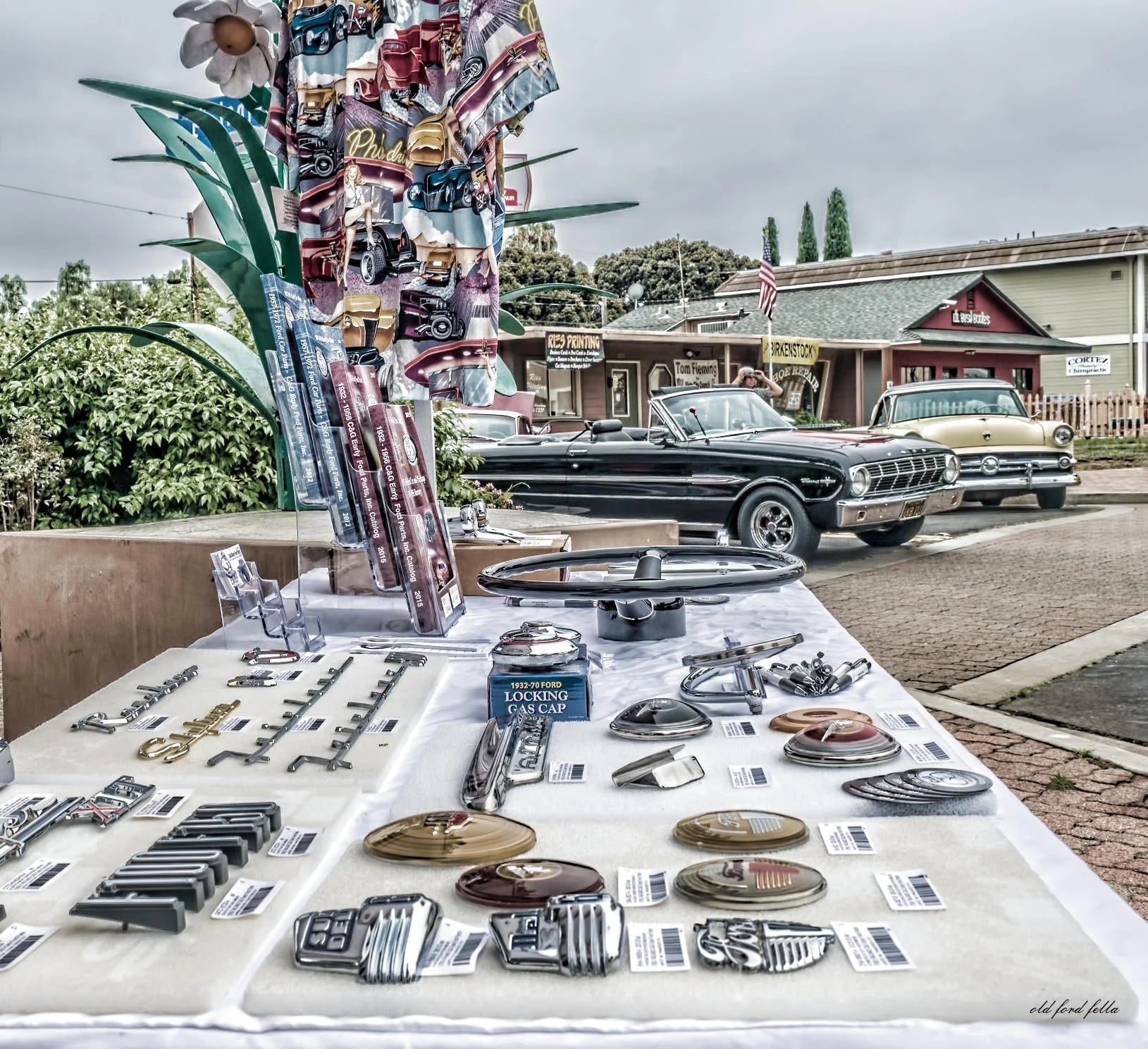
Part Numbers: Locating specific part numbers for a vehicle as old as the 1979 F150 can be challenging. However, some common parts include: Brake Pads: D84-2 Oil Filter: FL-1A Spark Plugs: AGSF32. For more specific parts and their numbers, enthusiasts often refer to vintage Ford parts catalogs or online forums. A great place to get real people to talk parts with, is C&G Ford Parts in Escondido, California.

Production Numbers: Ford does not publicly release detailed production numbers by year and model. However, it's known that the F-Series was America's best-selling truck in 1979, contributing significantly to the series' overall sales. The F150's popularity in this era helped solidify its legacy in the Ford lineup.

Accessories and Customization: The 1979 F150 was often customized and accessorized, reflecting the owner's needs and style. Popular accessories included: Chrome Bumpers: For enhanced aesthetics. Toolboxes: Fitted in the bed for utility. Lift Kits: Many owners lifted their trucks for off-road capability or for a more imposing road presence. Custom Paint Jobs: Reflecting the era's penchant for personalization.

Conclusion: The 1979 Ford F150 remains a beloved classic. Its robust construction, range of engine options, and classic styling have ensured its lasting appeal. While specific part numbers and production figures can be elusive, the truck's impact on the automotive landscape is undeniable. Whether restored to its original glory or customized for modern roads, the '79 F150 continues to be a symbol of Americana and the enduring legacy of Ford trucks.

Leave a comment

Please note, comments need to be approved before they are published.

MORE CLASSIC FORD INSIGHTS

1961–1966 Ford Unibody Pickups: Steel, Torque, and a Little Bit of Rebellion

1961–1966 Ford Unibody Pickups: Steel, Torque, and a Little Bit of Rebellion

The 1961–1966 Ford F-Series trucks weren’t just transportation—they were rolling mechanical blueprints.
Tracing back the gears of time, the story of Ford's iconic

Tracing back the gears of time, the story of Ford's iconic "P-R-N-D-L"

Tracing back the gears of time, the story of Ford's iconic "P-R-N-D-L" (affectionately pronounced "prindle") starts in the golden era of automotive innovation. This simple, yet memorable acronym represents the sequence of gears on an automatic transmission: Park, Reverse, Neutral, Drive, and Low. It's a nostalgic nod to the heyday of American car culture, beginning its journey in the 1950s. In 1951, Ford revolutionized their lineup by introducing the first "automatic" transmission in its cars. This was the birth of the P-R-N-D-L sequence, a groundbreaking innovation at the time. Imagine the delight of drivers who, for the first time, could shift gears with a smooth slide of the lever, just once – a far cry from the manual efforts of the past. It should also be noted that unlike todays automatics the early automatics would only start in neutral! The 1950s and 60s were a golden age for Ford. Cars were more than mere transport; they symbolized freedom, style, and the American dream. The P-R-N-D-L was an integral part of this. It wasn't just about the ease of shifting gears; it was about the experience. Each letter was a step in the ritual of driving, a connection between human and machine that modern digital interfaces can't replicate. Fast forward to today, and while cars have evolved with dizzying technology and efficiency, the charm of the classic Ford P-R-N-D-L endures. For enthusiasts and collectors, operating this gearshift isn't just a mechanical action; it's a trip down memory lane, a tactile piece of history that harkens back to the days of chrome, tailfins, and the open road. In essence, the P-R-N-D-L of classic Ford cars is more than just a gear sequence. It's a symbol of a bygone era, a testament to Ford's pioneering spirit, and an enduring part of America's automotive legacy.
1964 FORD FALCON SPRINT

1964 Ford Falcon Sprint a Brief History

1964 Ford Falcon Sprint The 1964 Ford Falcon Sprint is a classic Ford car that holds a special place in the hearts of many car enthusiasts. This vintage Ford model was known for its sleek design, powerful engine, and affordable price. While it may have been over 50 years since its release, the 1964 Ford Falcon Sprint is still a highly sought-after car for collectors and enthusiasts alike. In this article, we will explore the history of this iconic car and discuss the process of restoring one to its former glory. The History of the 1964 Ford Falcon Sprint 1964 Ford Falcon Sprint The Ford Falcon was first introduced in 1960 as a compact car designed to compete with other popular models of the time, such as the Chevrolet Corvair and the Plymouth Valiant. In 1963, Ford released the Falcon Sprint in hardtop and convertible, a sportier version of the original Falcon. The Sprint featured a more powerful 260 cid V8 engine, bucket seats, and a floor-mounted shifter (when equipped with the optional 4 speed), making it a popular choice among car enthusiasts. The Falcon Sprint hardtop was also used in various racing events, solidifying its reputation as a high-performance vehicle. If you're looking to restore a 1964 Ford Falcon Sprint, the first step is to find one for sale. While it may be challenging to find one in good condition, there are still some available for purchase. You can search online for classic car dealerships or browse through online marketplaces such as eBay or Craigslist. It's essential to thoroughly inspect the car before making a purchase, as it may require significant restoration work. Restoring a vintage car like the 1964 Ford Falcon Sprint requires a lot of time, effort, and money. It's crucial to have a clear plan and budget in place before starting the restoration process. The first step is to assess the condition of the car and determine which parts need to be replaced or repaired. It's essential to use original or high-quality reproduction Ford parts to maintain the authenticity and value of the car. Once you have successfully restored your 1964 Ford Falcon Sprint, it's crucial to maintain it properly to preserve its value and performance. Regular maintenance, such as oil changes, tune-ups, and inspections, is essential to keep the car running smoothly. It's also essential to store the car in a dry, climate-controlled environment to prevent rust and other damage. Owning a 1964 Ford Falcon Sprint is more than just having a classic car; it's about reviving nostalgia and preserving a piece of history. Restoring this iconic car is a labor of love that requires dedication and passion. But the end result is a beautiful, high-performance vehicle that will turn heads and bring joy to its owner. Are you a fan of the 1964 Ford Falcon Sprint? Have you restored one yourself? Share your thoughts and experiences in the comments below.