Old Ford Pick-Up Trucks: A Timeless Utility

Old Ford Pick-Up Trucks: A Timeless Utility

Old Ford pick-up trucks have carved their place in automotive history, transcending generations with their enduring charm and unparalleled utility. These iconic vehicles, produced from the 1930s to the late 1970s, have a rich legacy that continues to capture the hearts of enthusiasts and collectors today.

Versatility Beyond Compare: One of the key reasons why old Ford pick-up trucks remain beloved is their sheer versatility. Whether it's the robust F100, the iconic F150, or the workhorse F250, these trucks were designed to handle tough tasks. From farm work to construction sites, they've been the backbone of American labor for decades.

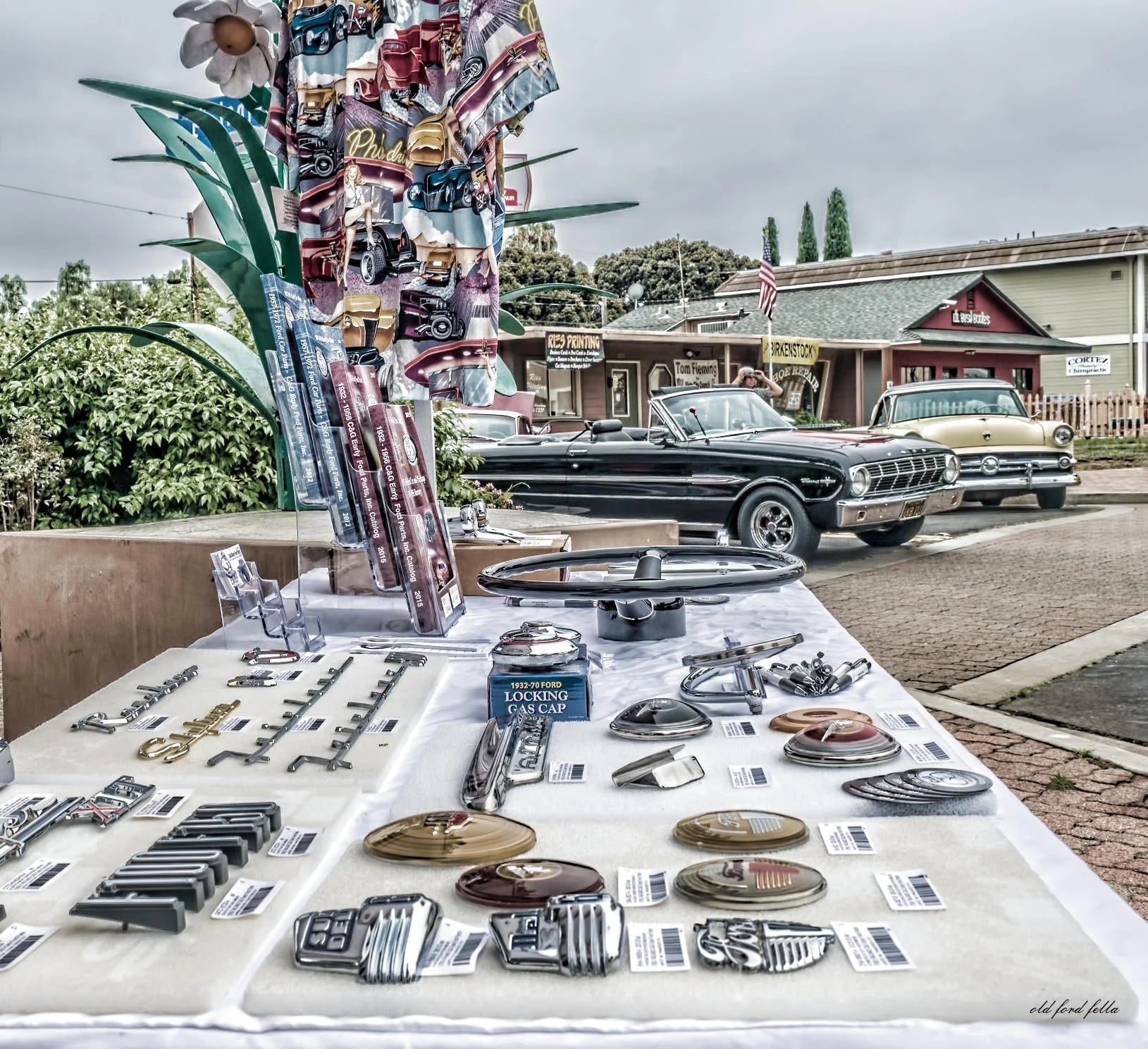
Classic Design That Turns Heads: The timeless design of these trucks is nothing short of legendary. With their distinctive combination of front grilles, headlights, and bold lettering, they exude a sense of nostalgia that's hard to replicate. Restoring and showcasing these vehicles at car shows is a popular hobby among enthusiasts, and it's no wonder – the sight of a beautifully restored old Ford pick-up truck is a showstopper.

A Connection to the Past: Owning and driving an old Ford pick-up truck is like stepping back in time. These vehicles carry with them the stories of countless adventures, road trips, and hard work. Many families have passed down their beloved Ford trucks from one generation to the next, making them cherished heirlooms. Endless Customization: Enthusiasts have embraced the art of customization, turning old Ford pick-up trucks into unique creations. From hot rods to custom paint jobs, the possibilities are endless.

Restoring and personalizing these trucks has become a thriving subculture in the automotive world. In conclusion, old Ford pick-up trucks are more than just vehicles; they're a symbol of American history, hard work, and ingenuity. Their enduring appeal and unmatched utility ensure that they will remain beloved classics for generations to come.

Leave a comment

Please note, comments need to be approved before they are published.

MORE CLASSIC FORD INSIGHTS

 37-41 Old Ford Trucks, Old Ford Car and Old Mercury Car Distributor

INSTALLING A CLASSIC FORD DISTRIBUTOR INTO OLD FORD TRUCKS AND CARS

INSTALLING A CLASSIC FORD DISTRIBUTOR 1932-1941 Old Ford Trucks, 1932-1941 Ford Passenger Cars and 1939-1941 Mercury Cars with original V8 distributor: 1. Check inner caps one at a time to make sure they fit distributor housing, sand them if needed. Also check to make sure once installed rotor does not hit the inner cap. After fitting inner caps put inner and outer caps together with the spark plug wires and set aside. 2. Mount coil to distributor making sure coil brush makes contact with rotor and copper contact is not bent. 3. Make sure the mounting surface is clean and there is nothing in the camshaft slot where the distributor mounts. Check to make sure mounting bolt threads are clean and free of dirt, set bolts on top of engine for easy reach. 4. Time to mount the distributor. Put gasket on base of distributor, you can put a small amount of sealant on the gasket. Place distributor on to timing cover using fingers to turn rotor to make sure distributor is correctly seated in the camshaft. The distributor will mount flat to the timing cover when correctly installed. If the distributor is not seated correctly you can crack the distributor case when you tighten the bolts. Now you can put the three mounting bolts in and tighten. Do not over tighten(snug). 5. Install inner/outer caps to the distributor and pop the bail over to hold in place. 6. Install vacuum line to distributor. 1941-47 (6 Cylinder “G” Engine) Old Ford Trucks and Passenger Cars, 1942-1947 Old Ford Trucks and 1942-1948 Passenger Cars/Mercury Cars (V8): 1. Make sure the mounting surface is clean and there is nothing in the camshaft slot where the distributor mounts. Check to make sure mounting bolt threads are clean and free of dirt, set bolts on top of engine for easy reach. 2. Place the rotor on distributor and mount distributor cap and turn rotor slowly to make sure the rotor does not hit the inner cap. If rotor hits cap lightly file end of rotor till it clears. Remove distributor cap and set aside. Leave rotor on distributor. 3. Time to mount the distributor. Put gasket on base of distributor, you can put a small amount of sealant on the gasket, be sure not to get sealant on vacuum rubber grommet. Place distributor on to timing cover using fingers to turn rotor to make sure distributor is correctly seated in the camshaft. The distributor will mount flat to the timing cover when correctly installed. If the distributor is not seated correctly you can crack the distributor case when you tighten the bolts. Now you can put the two mounting bolts in and tighten. Do not over tighten(snug). 4. Install distributor cap and pop clips on for 42 crab cap. If you have a 46-48 with the inner and outer cap you will have to install plug wires into cap first before installing caps on distributor.
Old Ford Drum Brake History and Tutorial

Old Ford Drum Brake History and Tutorial

Old Ford drum brake history and tutorial Pre 1967 old Ford cars and old Ford trucks used a drum brake system. In these systems, pressure applied to the brake pedal is transmitted to the master cylinder, which in turn disperses the energy ultimately to the brakes in each wheel. The master cylinder uses the brake fluid to move the wheel cylinders, which in turn moves the brake shoes in the drum. There is a front and back brake shoe, the rear one for stopping a vehicle in drive and the forward one for stopping a vehicle in reverse. When either shoe is pressed against the anchor pin, the brakes are engaged, and the vehicle comes to a stop. The brake pads form the shoes to the anchor pin so there is no slipping. The padding on the rear brake shoe is typically longer and sometimes made of a different material to allow the shoes to wear at a similar rate, since the rear shoe sees much more use. The brake shoes are secured in the drum with both hardware and return springs, which must meet ideal sizing and tension specifications for your make and model for top brake performance. These parts should be replaced any time you work on the brakes in order to counteract wear and tear that can lead to longer stopping times. Stock brake line hoses will have a rubber lining, while aftermarket hoses are available in a stainless braided wrap to preserve the hose. Whichever type you get, make sure the hoses are the correct thread size and length for your year and model and meet DOT safety standards. The rear wheel drum brakes will also contain the parking brake mechanism and will have a cable to the parking brake. Brake pipe must be double flared and use flared nuts. It can be purchased with the flaring already completed or you can cut your own and flare it yourself, but it should meet or exceed DOT safety standards. Hydraulic brakes will fail if there is a weak point in the system, so make sure all your hose and fittings are SAE rated and correctly installed. If you are unsure after installation, test the brakes at low speed in a safe area, such as your driveway or an empty parking lot before taking the vehicle on the road. Starting in 1967 all old fords have a dual master cylinder. This part separates the wheel hydraulics of the front and rear of the car, so a failure in one will not cause a failure in the other. In vehicles without this feature, a leak anywhere in the brake line will cause the entire brake system to fail. With a dual master cylinder, a leak in the front brake system will not affect the rear and vice versa. This is standard in vehicles made after '67, but it's a good safety upgrade for older classic Fords as well. Many classic Ford owners choose to upgrade their front brake system to disc brakes, or the complete system. Drum brakes can overheat and fail in high braking conditions, such as rapid stops at high speeds or driving downhill on mountainous roads. Disc brakes are open and exposed to the outside air, which prevents overheating and brake failure. While this upgrade is not strictly necessary, it's a good idea if you frequently drive in hilly or mountainous areas. Original Ford brake shoes used asbestos in the brake pads. If you are working on a vehicle with its original brake shoes or if you are uncertain if they are original, wear a respirator rated for asbestos while working and wet the brake pads before opening the drum to prevent the asbestos from becoming air born. When cleaning dust from drum brakes, use a dense filtration system to trap the asbestos and dispose of it properly. You can resurface a drum with minor surface issues, but make sure it stays within factory limits for your year and model. Worn or thin drums can break apart or crack and cause brake failure. If you see excessive wear and tear, replace the drum. If you are replacing a leaking wheel cylinder, it's a good idea to do them all at once, including the master cylinder. If you have had problems with one, you will soon have problems with the rest. In addition, you won't need to remember which cylinder was replaced when for future maintenance if they were all replaced at once. You can use a vacuum bleeder to remove old brake fluid and contaminants. Once you remove the old fluid you can use denatured alcohol followed by air to purge the lines. Vacuum each cylinder, including the master cylinder, and replace the old fluid with new, DOT 3 or 4 fluids. When changing fluid, change the rubber hoses and seals. If you have a combination disc and drum system, only use DOT 4 fluid. To ensure a complete cleaning, vacuum some of the new fluid through as well do catch any missed contaminants. When working on or near the brake line, make sure no petroleum-based liquid, such as gasoline, oil, or mineral oil, encounters the hosing. These oils can break down the rubber and cause hoses to start leaking. Make sure to wash your hands thoroughly before and during working on the brakes system to prevent this, especially if you have been working on other parts of the vehicle. When working on your brakes, make sure to follow safety precautions, use safety rated parts, and check over your work carefully. Drum brakes are a very important part of the machinery, and due to the hydraulic system, can easily lose stopping power or fail if something is wrong, especially without a dual master cylinder. Whether you're doing regular maintenance or upgrading the whole system, working carefully will ensure a successful job for your vehicle.
No image

Old Ford? Come experience GREAT customer service!

Old Ford? Come experience GREAT customer service! Have you had enough of poor customer service and lack of technical knowledge when it comes to your old Ford? Believe me we know what it's like. If you're like most people, you probably start off full of drive and excitement, and making good progress on your project for a few weeks or months, but then - Murphy gets busy annoying you! As soon as you get one thing sorted another pops up, you get distracted and your project gets dumped in the too hard basket. And to make matters worse, there's always that one person who keeps asking you how your restoration is going, and you know they're having a good old laugh at your expense. You end up feeling confused and overwhelmed by all the technical jargon and mechanical issues you just don't understand. Until recently the only solution for amateur mechanics trying to break through the restoration problem on an old Ford, was to either obtain a full-time flathead mechanic somewhere or to hire a restoration company to do it for you. The problem with this option is that expert flathead mechanics are hard to find, and even if you do manage to find one willing to help you out, you'll be looking at upwards of $100 per hour, which is simply out of reach for most old ford owners. And it's for this reason that I'm pleased to reveal C&G Ford Parts has free technical help for its customers and we are staffed with folks that currently own or have owned old Ford cars or old Ford trucks! Here at C&G Ford Parts we've been helping old Ford owners with their restoration needs and supplies for over 40 years! And what we've proven over and over in our business is that the easiest and most reliable way to finish up your project is by adding a go to guy to your toolbox. It's literally the difference between a frustrating and annoying project and a "life changing, quit your job" kind of result. (ok, maybe not quit your job). With C&G Ford Parts lending their expertise and supplying your parts you'll be able to restore your vehicle with the fun and excitement you had hoped it would bring! If you get stuck you always know all you need to do is dial us up or drop us an email and we'll be there! Now what makes our service different from any other parts service out there is that there's NO additional costs - No out today fees, no added shipping fees, no waiting for days for a tech to call back AND you're covered for as long as you're a customer! Let's take a look at how C&G Ford Parts helps you. Our customers enjoy: Free tech support from old ford owners Friendly live person customer service Best reproduction parts available Over 100 manufacturers Worldwide shipping This is just a taste of what people are already saying about C&G Ford Parts: ----- Well organized, responsive, helpful in planning parts needs for specific project —Lawrence G. ----- How quick and efficient can you guys get?!! —Terry M. So, You've wasted enough of your time, energy, and sanity on trying to fix those irritating issues by yourself! You can finally put an end to all your frustration and disappointment simply by giving C&G Ford parts a call, email or web form question. Just imagine waking up in the morning, opening your mailbox, and finding your parts order no matter where you are in the world. You smile to yourself as you realize the fun an old car can be when you have the right help. So pick up the phone or computer mouse and let us fill your old ford parts order quickly and efficiently.