The 1955 Ford Fairlane: A Classic Icon of American Automotive History

The 1955 Ford Fairlane: A Classic Icon of American Automotive History

The 1955 Ford Fairlane: A Classic Icon of American Automotive History

In the realm of classic American automobiles, the 1955 Ford Fairlane stands out as a significant model that marked Ford's return to prominence in the auto market. Named after Henry Ford's estate, Fair Lane, in Dearborn, Michigan, the Fairlane was introduced as Ford's premier car for that year. With a new frame and 11" brakes, the Fairlane replaced the Crestline as the flagship offering.

Design and Styling

The 1955 Fairlane was distinguished by its elegant and modern styling, characterized by a lower, longer, and wider profile compared to its predecessors. It featured a distinctive stainless steel stripe running along its side with striking 2 tone paint schemes, which became a hallmark of the Fairlane models. The car was offered in six different body styles, including two- and four-door sedans, hardtop, and a convertible known as the Sunliner. A standout among these was the Crown Victoria, which boasted a tinted, transparent roof panel, adding a futuristic touch to its design.

Engine and Performance

The Fairlane came equipped with options for both a 223 cubic inch (3.7 L) straight-six engine, a 272 cubic inch (4.5 L) V8, or a 292 cubic inch V8 (4.8 L) with a 4 barrel carb providing buyers with choices tailored to different performance needs. The V8, in particular, was a point of interest for its power and smooth operation. Transmission options included a Fordomatic automatic or a three-speed manual.

Market Impact

The introduction of the Fairlane was part of a broader effort by Ford to rejuvenate its lineup and recapture market share from competitors like Chevrolet. The Fairlane was not just a vehicle; it was a statement of Ford's commitment to innovation and style. In 1955, Ford managed to outsell Chevrolet, ending a 20-year streak where Chevy had been the best-selling car in America, a testament to the Fairlane's appeal and Ford's strategic marketing.

Features and Accessories

Ford emphasized luxury and convenience with the Fairlane. It included features like dual exhaust systems on higher-end models which improved both performance and sound. The car also introduced several firsts, including Ford's first factory-installed air conditioning system, known as "Select Aire," which was optional. Innovations like the panoramic windshields, new for 1955, offered drivers a broader view, enhancing safety and driving experience.

Cultural Impact

The 1955 Fairlane wasn't just a car; it became an emblem of the era's optimism and love for automotive style. Its design and engineering influenced subsequent Ford models and left a lasting impression on American car culture. The Fairlane's success helped pave the way for future models, including the introduction of the Fairlane 500.

Legacy

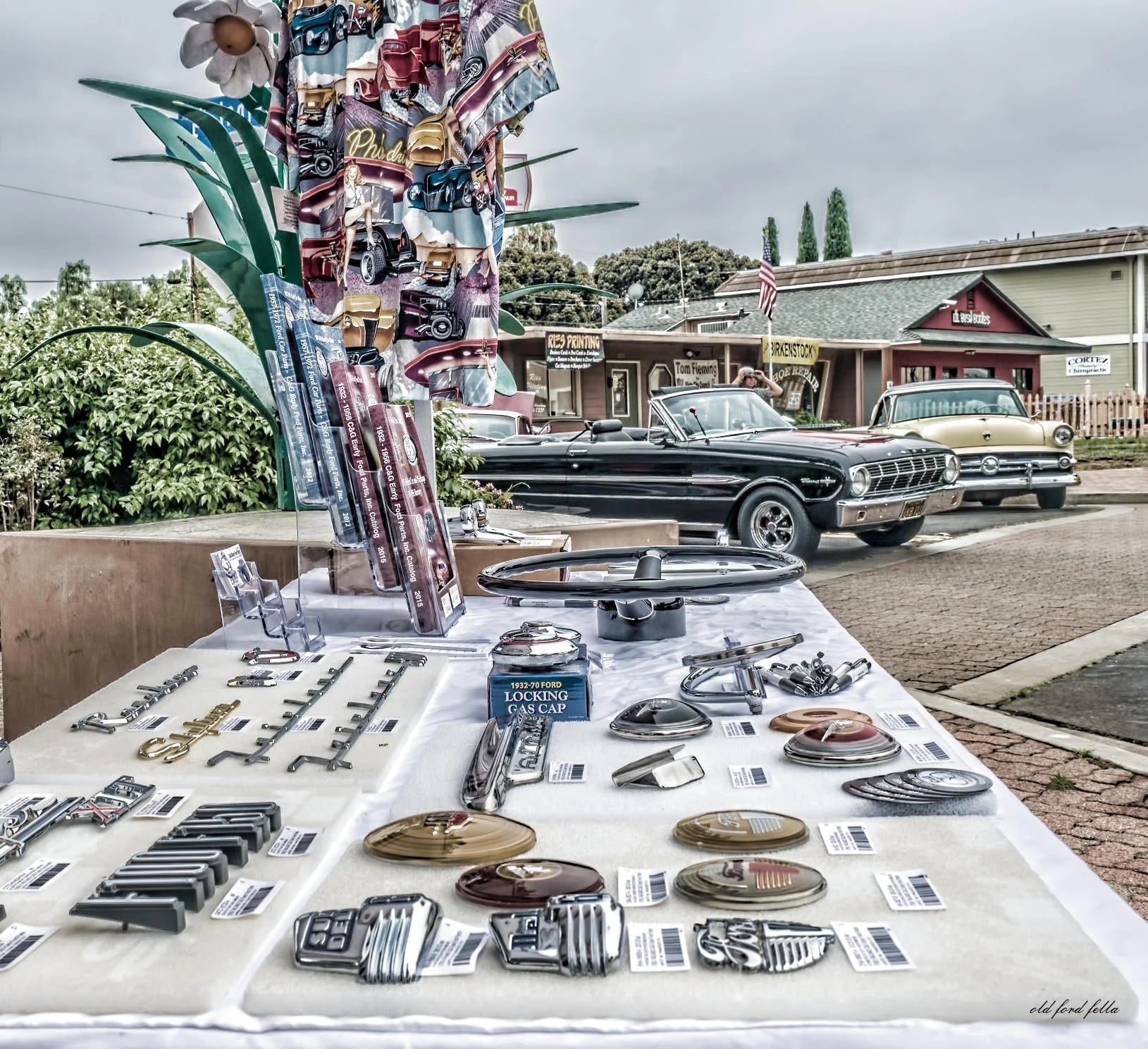
Today, the 1955 Ford Fairlane is celebrated by collectors and car enlthusiasts for its blend of style, performance, and historical significance. Restorations are common, and the car's parts are sought after, with companies like Classic Industries providing a range of reproduction parts for enthusiasts looking to bring their Fairlane back to its original splendor.

In conclusion, the 1955 Ford Fairlane was more than just another car on the road; it was a symbol of Ford's resurgence and a reflection of the vibrant automotive culture of the 1950s. Its design, performance, and the enduring legacy it left behind continue to make it a beloved piece of automotive history.

Leave a comment

Please note, comments need to be approved before they are published.

MORE CLASSIC FORD INSIGHTS

Old Ford Drum Brake History and Tutorial

Old Ford Drum Brake History and Tutorial

Old Ford drum brake history and tutorial Pre 1967 old Ford cars and old Ford trucks used a drum brake system. In these systems, pressure applied to the brake pedal is transmitted to the master cylinder, which in turn disperses the energy ultimately to the brakes in each wheel. The master cylinder uses the brake fluid to move the wheel cylinders, which in turn moves the brake shoes in the drum. There is a front and back brake shoe, the rear one for stopping a vehicle in drive and the forward one for stopping a vehicle in reverse. When either shoe is pressed against the anchor pin, the brakes are engaged, and the vehicle comes to a stop. The brake pads form the shoes to the anchor pin so there is no slipping. The padding on the rear brake shoe is typically longer and sometimes made of a different material to allow the shoes to wear at a similar rate, since the rear shoe sees much more use. The brake shoes are secured in the drum with both hardware and return springs, which must meet ideal sizing and tension specifications for your make and model for top brake performance. These parts should be replaced any time you work on the brakes in order to counteract wear and tear that can lead to longer stopping times. Stock brake line hoses will have a rubber lining, while aftermarket hoses are available in a stainless braided wrap to preserve the hose. Whichever type you get, make sure the hoses are the correct thread size and length for your year and model and meet DOT safety standards. The rear wheel drum brakes will also contain the parking brake mechanism and will have a cable to the parking brake. Brake pipe must be double flared and use flared nuts. It can be purchased with the flaring already completed or you can cut your own and flare it yourself, but it should meet or exceed DOT safety standards. Hydraulic brakes will fail if there is a weak point in the system, so make sure all your hose and fittings are SAE rated and correctly installed. If you are unsure after installation, test the brakes at low speed in a safe area, such as your driveway or an empty parking lot before taking the vehicle on the road. Starting in 1967 all old fords have a dual master cylinder. This part separates the wheel hydraulics of the front and rear of the car, so a failure in one will not cause a failure in the other. In vehicles without this feature, a leak anywhere in the brake line will cause the entire brake system to fail. With a dual master cylinder, a leak in the front brake system will not affect the rear and vice versa. This is standard in vehicles made after '67, but it's a good safety upgrade for older classic Fords as well. Many classic Ford owners choose to upgrade their front brake system to disc brakes, or the complete system. Drum brakes can overheat and fail in high braking conditions, such as rapid stops at high speeds or driving downhill on mountainous roads. Disc brakes are open and exposed to the outside air, which prevents overheating and brake failure. While this upgrade is not strictly necessary, it's a good idea if you frequently drive in hilly or mountainous areas. Original Ford brake shoes used asbestos in the brake pads. If you are working on a vehicle with its original brake shoes or if you are uncertain if they are original, wear a respirator rated for asbestos while working and wet the brake pads before opening the drum to prevent the asbestos from becoming air born. When cleaning dust from drum brakes, use a dense filtration system to trap the asbestos and dispose of it properly. You can resurface a drum with minor surface issues, but make sure it stays within factory limits for your year and model. Worn or thin drums can break apart or crack and cause brake failure. If you see excessive wear and tear, replace the drum. If you are replacing a leaking wheel cylinder, it's a good idea to do them all at once, including the master cylinder. If you have had problems with one, you will soon have problems with the rest. In addition, you won't need to remember which cylinder was replaced when for future maintenance if they were all replaced at once. You can use a vacuum bleeder to remove old brake fluid and contaminants. Once you remove the old fluid you can use denatured alcohol followed by air to purge the lines. Vacuum each cylinder, including the master cylinder, and replace the old fluid with new, DOT 3 or 4 fluids. When changing fluid, change the rubber hoses and seals. If you have a combination disc and drum system, only use DOT 4 fluid. To ensure a complete cleaning, vacuum some of the new fluid through as well do catch any missed contaminants. When working on or near the brake line, make sure no petroleum-based liquid, such as gasoline, oil, or mineral oil, encounters the hosing. These oils can break down the rubber and cause hoses to start leaking. Make sure to wash your hands thoroughly before and during working on the brakes system to prevent this, especially if you have been working on other parts of the vehicle. When working on your brakes, make sure to follow safety precautions, use safety rated parts, and check over your work carefully. Drum brakes are a very important part of the machinery, and due to the hydraulic system, can easily lose stopping power or fail if something is wrong, especially without a dual master cylinder. Whether you're doing regular maintenance or upgrading the whole system, working carefully will ensure a successful job for your vehicle.
The Iconic 1965 Ford Mustang

The Iconic 1965 Ford Mustang

The Iconic 1965 Ford Mustang The Ford Mustang, a name that resonates with freedom, power, and style, made its debut in 1964 but it was the 1965 model year that solidified its legend in automotive history. Often celebrated as the car that started the "pony car" era, the 1965 Mustang was not just a vehicle; it was a cultural phenomenon. Design and Style The 1965 Mustang was an immediate hit due to its sleek, long-hood, short-deck design crafted by Lee Iacocca's team. The car's profile was distinctly sporty with a chrome grille, tri-bar taillights, and a fastback version that added an aggressive, almost European flair. Available in coupe, convertible, and fastback body styles, the Mustang could be tailored to suit various tastes, from the conservative to the audacious. Interior options ranged from luxurious with bucket seats and a console to more basic vinyl benches, catering to a broad demographic. Engine Options What made the Mustang particularly versatile was its range of engine choices. At the base, there was a 170 cubic inch inline-six that was economical for daily driving. For those seeking more thrill, Ford offered a trio of V8 options: 200 hp 289 V8 with a two-barrel carburetor. 225 hp 289 V8 with a four-barrel carburetor: This version delivered more punch, enhancing the car's sporty character. 271 hp GT package with a 289 Hi-Po (High Performance): This was the choice for enthusiasts who wanted to experience the raw power under the hood, especially when paired with a 4-speed manual transmission Performance and Popular Culture The Mustang wasn't just about looks and power; it was about accessibility. Priced at around $2,368 for the base model, it was relatively affordable, allowing a wide array of Americans to own a piece of automotive flair. Its introduction timing was impeccable, aligning with the youth culture of the 60s, which celebrated speed, freedom, and individuality. The Mustang found its way into movies, TV shows, and became synonymous with the American dream of the open road Legacy Over the decades, the 1965 Mustang has not only retained its iconic status but has also seen its value appreciate significantly among collectors. The model year is often cited for its pivotal role in shaping car design trends, influencing everything from the muscle car era to modern sports cars. Today, a well-preserved 1965 Mustang, especially in its GT or Shelby versions, can fetch high prices at auctions, reflecting not just nostalgia but appreciation for its design and engineering prowess The 1965 Ford Mustang was more than a car; it was a symbol of a transformative period in American automotive history, embodying the spirit of an era where style, performance, and accessibility collided to create something truly timeless. Whether you're a car enthusiast or not, the Mustang's impact on culture, design, and the automotive industry is undeniable, making it a forever celebrated piece of Americana.
1950s Ford Cars and Trucks Evolution

1950s Ford Cars and Trucks Evolution

The 1950s marked a period of significant evolution for Ford Motor Company in both the automotive and truck sectors, characterized by engineering innovations and aggressive marketing strategies that aimed to capture the burgeoning post-war American market. Engineering Innovations: Starting with the 1949 models, Ford introduced a complete redesign that set the tone for the decade. This new line was characterized by more aerodynamic and modern styling, moving away from the pre-war designs. The Ford '49, as it was popularly known, featured a more integrated body design with smooth lines, which was a significant departure from the previous look. This design ethos continued into the 1950s, with each model year bringing incremental changes, but the 1952, 1955, and 1957 models were particularly notable for their styling advancements and engineering enhancements. The introduction of the overhead valve (OHV) V-8 engine in 1954 was a pivotal engineering achievement, leading to the launch of vehicles like the Thunderbird in 1955, which was Ford's answer to Chevrolet's Corvette. This engine was not only more powerful with its 181 horsepower but also set Ford apart in what became known as the horsepower race of the 1950s. The Fairlane Crown Victoria, introduced later in 1955, embodied luxury within the mid-price range, featuring this new V-8 engine alongside other engineering improvements like power steering and brakes, which became options in Ford's vehicles during this period. For trucks, the 1950s saw the further development of the F-Series, which had been introduced in 1948. The F-Series trucks evolved with the inclusion of a more robust chassis, new suspension systems, and eventually, the integration of V-8 engines, making them not only workhorses but also suitable for personal use. The F-100, in particular, became a cultural icon, known for its sleek design and versatility. Marketing Strategies: Ford's marketing in the 1950s was as dynamic as its engineering. The company leveraged the post-war economic boom, focusing on the American dream of owning a car. Ford capitalized on the new consumer culture by introducing vehicles that appealed to a wide demographic. The Thunderbird, for instance, was marketed not as a sports car but as a "personal car," emphasizing comfort and style over raw performance, aiming to attract both men and women. The introduction of models like the Edsel in 1958 was an ambitious marketing move. Named after Henry Ford's son, it was meant to fill the gap between Ford and Mercury in Ford's product lineup. Despite its innovative features like push-button transmission controls and a unique grille design, the Edsel was a commercial failure due to poor market reception, which highlighted the limits of marketing when not backed by consumer desire. Ford also pioneered safety features, introducing seat belts as standard in 1956, a move that was heavily marketed as part of Ford's commitment to customer safety. This era also saw Ford's advertising becoming more sophisticated, using television and print media to showcase their vehicles' modernity, performance, and styling. In summary, the 1950s were transformative for Ford. From engineering perspectives, the decade was about power, efficiency, and safety, while from a marketing standpoint, it was about capturing the spirit of an era filled with optimism and economic prosperity. Ford's vehicles during this decade not only shaped its destiny but also influenced the American automotive landscape profoundly.