1964 Ford Falcon Sprint a Brief History

1964 FORD FALCON SPRINT

1964 Ford Falcon Sprint

The 1964 Ford Falcon Sprint is a classic Ford car that holds a special place in the hearts of many car enthusiasts. This vintage Ford model was known for its sleek design, powerful engine, and affordable price. While it may have been over 50 years since its release, the 1964 Ford Falcon Sprint is still a highly sought-after car for collectors and enthusiasts alike. In this article, we will explore the history of this iconic car and discuss the process of restoring one to its former glory.

The History of the 1964 Ford Falcon Sprint 1964 Ford Falcon Sprint The Ford Falcon was first introduced in 1960 as a compact car designed to compete with other popular models of the time, such as the Chevrolet Corvair and the Plymouth Valiant. In 1963, Ford released the Falcon Sprint in hardtop and convertible, a sportier version of the original Falcon. The Sprint featured a more powerful 260 cid V8 engine, bucket seats, and a floor-mounted shifter (when equipped with the optional 4 speed), making it a popular choice among car enthusiasts. The Falcon Sprint hardtop was also used in various racing events, solidifying its reputation as a high-performance vehicle.

If you're looking to restore a 1964 Ford Falcon Sprint, the first step is to find one for sale. While it may be challenging to find one in good condition, there are still some available for purchase. You can search online for classic car dealerships or browse through online marketplaces such as eBay or Craigslist. It's essential to thoroughly inspect the car before making a purchase, as it may require significant restoration work.

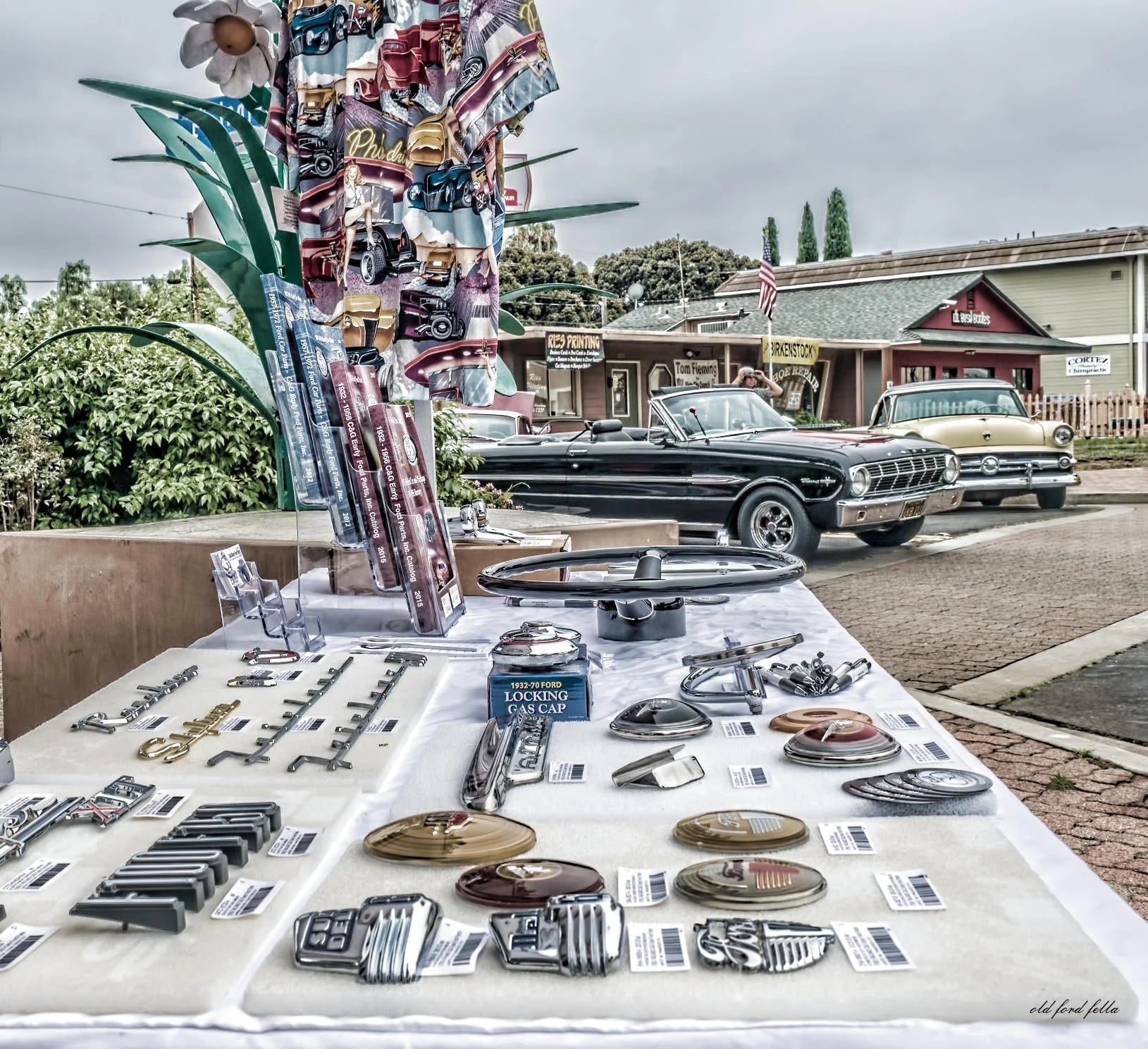
Restoring a vintage car like the 1964 Ford Falcon Sprint requires a lot of time, effort, and money. It's crucial to have a clear plan and budget in place before starting the restoration process. The first step is to assess the condition of the car and determine which parts need to be replaced or repaired. It's essential to use original or high-quality reproduction Ford parts to maintain the authenticity and value of the car.

Once you have successfully restored your 1964 Ford Falcon Sprint, it's crucial to maintain it properly to preserve its value and performance. Regular maintenance, such as oil changes, tune-ups, and inspections, is essential to keep the car running smoothly. It's also essential to store the car in a dry, climate-controlled environment to prevent rust and other damage. Owning a 1964 Ford Falcon Sprint is more than just having a classic car; it's about reviving nostalgia and preserving a piece of history.

Restoring this iconic car is a labor of love that requires dedication and passion. But the end result is a beautiful, high-performance vehicle that will turn heads and bring joy to its owner.

Are you a fan of the 1964 Ford Falcon Sprint? Have you restored one yourself? Share your thoughts and experiences in the comments below.

Leave a comment

Please note, comments need to be approved before they are published.

MORE CLASSIC FORD INSIGHTS

Engine Choices and Specifications for 1961-1966 Ford Pickup

Engine Choices and Specifications for 1961-1966 Ford Pickup

Engine Choices and Specifications for 1961-1966 Ford Pickup Trucks: A Nostalgic Journey Through Americana The early 1960s were a golden era for Ford pickup trucks, a time when the open road stretched endlessly before tail fins and chrome, and every engine roar told a story of American grit and ingenuity. For classic Ford enthusiasts browsing www.cgfordparts.com, the 1961-1966 Ford F-Series lineup evokes memories of dusty backroads, drive-in diners, and a simpler time when trucks were as much about character as capability. Let’s take a nostalgic ride through the engine choices and specifications that powered these icons of Americana. In 1961, Ford pickups rolled out with a tried-and-true inline-six, the 223 cubic-inch (3.7L) Mileage Maker, delivering 114 horsepower. It was the heartbeat of the working man’s rig—reliable, fuel-sipping, and perfect for hauling hay bales or cruising to the county fair. For those craving more muscle, the 292 cubic-inch (4.8L) Y-block V8 offered 172 horsepower, a nod to the growing appetite for power in an era of rock ‘n’ roll and drag strips. These engines paired with a rugged frame, embodying the spirit of a nation on the move. By 1961, Ford’s fourth-generation F-Series brought fresh style and engine tweaks. The 223 six soldiered on, but the 292 V8 saw refinements, boosting output to around 175 horsepower. These trucks weren’t just machines—they were companions for farmers, builders, and dreamers chasing the horizon. In 1963, Ford upped the ante with a synchronized three-speed transmission and introduced positive crankcase ventilation, blending practicality with a touch of modernity. The big shift came in 1965, when Ford retired the 292 V8 for the all new 352 cubic-inch (5.8L) FE-series V8, pumping out 208 horsepower and 315 lb-ft of torque. Paired with the revolutionary Twin I-Beam suspension, this engine turned the F-100 into a smooth-riding beast, ready for both the worksite and the soda fountain cruise. The 240 cubic-inch (3.9L) inline-six also debuted as an option, offering 150 horsepower for those who prized efficiency over raw power. In 1966, cosmetic tweaks kept the lineup fresh, but the engines remained the soul of these rolling legends. Owning a 1961-1966 Ford pickup is like holding a piece of Americana—rugged, timeless, and brimming with stories. At www.cgfordparts.com, we’re proud to help you keep that legacy alive with parts that honor the past while fueling your next adventure. What’s your favorite memory of these classic engines? Let’s keep the nostalgia rolling!
Ford F100

Exploring an American Classic The Ford F100

The Ford F100, a member of the renowned F-Series, has a rich history that spans decades, evolving from a utilitarian work truck to a sought-after classic. Originally designed to meet the demands of post-war America, the F-100 has since become a symbol of vintage style and automotive nostalgia. The F-100 debuted in 1953, a milestone that marked the second generation of Ford's F-Series. Known for its increased dimensions, improved engines, and updated aesthetics, the F-100 was a significant upgrade from its predecessors. It featured a more powerful 215cid inline-six engine, with an option for a 239cid V8, delivering robust performance for the era. The truck boasted a maximum payload capacity of approximately 1,000 to 1,500 pounds, catering to the needs of businesses and individual users alike. In terms of pricing, the F-100 was marketed as an affordable, reliable work truck. Prices started around $1,600, a figure that, when adjusted for inflation, underscores the truck's value proposition. Fast forward to the present, and the Ford F100 occupies a different space in the automotive world. No longer just a work vehicle, it has become a beloved classic, cherished by collectors and enthusiasts. The market for vintage F-100s has seen a significant uptick, with fully restored models fetching prices upwards of $20,000 to $30,000, and exceptional specimens or custom builds going even higher. The appeal of the F-100 in today's market lies in its simplicity, classic design, and the nostalgia it evokes. It's a canvas for customization, with a thriving aftermarket offering everything from original replacement parts to modern upgrades. The versatility of the F-100 makes it a favorite among those looking to create a personalized classic that combines vintage charm with modern performance. The demand for original equipment specifications remains high, with purists seeking to restore F-100s to their factory glory. This desire for authenticity reflects a broader trend in the classic car market, where originality often equates to higher value. Conclusion The Ford F-100's journey from a practical utility vehicle to a cherished classic is a testament to its enduring appeal. In the current market, it embodies a blend of history, style, and the enduring legacy of Ford's commitment to utility and innovation. Whether restored to its original specifications or customized to modern tastes, the F-100 remains a beloved piece of American automotive history, with a vibrant community of enthusiasts keeping its spirit alive.
1979 Ford F150

1979 Ford F150

1979 Ford F150 The 1979 Ford F150 stands as a significant chapter in the storied history of Ford trucks. Known for its durability, classic design, and utility, the '79 F150 is a beloved model among enthusiasts of classic Ford automobiles. Specifications Engine Options: The 1979 F150 came with various engine options, including: 4.9L 300 Inline-6: A reliable workhorse known for its longevity. 5.0L 302 V8: Offered a balance of power and efficiency. 5.8L 351M V8 and 6.6L 400 V8: These larger engines were preferred for heavier towing and payload capacities. Transmission: Standard: 3-speed manual. Optional: 4-speed manual and 3-speed automatic. Dimensions: Wheelbase: Ranged from 117 inches (regular cab, short bed) to 155 inches (SuperCab, long bed). Length: Varied based on the model, from 188.5 inches to 235 inches. Width: Approximately 79 inches. Towing and Payload: Depended on the engine and configuration, with the larger engines supporting greater capacities. Part Numbers: Locating specific part numbers for a vehicle as old as the 1979 F150 can be challenging. However, some common parts include: Brake Pads: D84-2 Oil Filter: FL-1A Spark Plugs: AGSF32. For more specific parts and their numbers, enthusiasts often refer to vintage Ford parts catalogs or online forums. A great place to get real people to talk parts with, is C&G Ford Parts in Escondido, California. Production Numbers: Ford does not publicly release detailed production numbers by year and model. However, it's known that the F-Series was America's best-selling truck in 1979, contributing significantly to the series' overall sales. The F150's popularity in this era helped solidify its legacy in the Ford lineup. Accessories and Customization: The 1979 F150 was often customized and accessorized, reflecting the owner's needs and style. Popular accessories included: Chrome Bumpers: For enhanced aesthetics. Toolboxes: Fitted in the bed for utility. Lift Kits: Many owners lifted their trucks for off-road capability or for a more imposing road presence. Custom Paint Jobs: Reflecting the era's penchant for personalization. Conclusion: The 1979 Ford F150 remains a beloved classic. Its robust construction, range of engine options, and classic styling have ensured its lasting appeal. While specific part numbers and production figures can be elusive, the truck's impact on the automotive landscape is undeniable. Whether restored to its original glory or customized for modern roads, the '79 F150 continues to be a symbol of Americana and the enduring legacy of Ford trucks.