Engine specs for the 1979 Ford F150

1979 Ford F150 in blue, front quarter view

Engine specs for the 1979 Ford F150

The 1979 Ford F150 trucks marked the end of the sixth generation of the rugged F-Series pick up trucks, which spanned from 1973 to 1979. Characterized by its design and durability, the 1979 F150 came with a variety of engine options to suit different needs, from more fuel-efficient six-cylinders to powerful V8s.

Here's a breakdown of the engine specifications for all models of the 1979 Ford F150:

  • 4.9L Inline-6 (300 CID): This engine was the base option for many F-150s, known for its reliability and decent fuel efficiency for the time. It produced around 114 horsepower and 223 lb-ft of torque.
  • 5.0L V8 (302 CID): A step up in terms of power, the 302 V8 offered a balance of performance and fuel economy, making around 140 horsepower and 239 lb-ft of torque.
  • 5.8L V8 (351 CID) Windsor: The 351 Windsor was another popular V8 option, known for its robustness and torque. It delivered approximately 150 horsepower and 265 lb-ft of torque.
  • 5.8L V8 (351 CID) Modified (M): The 351M, often confused with the Cleveland, was a variant designed for torque more than outright power, with similar horsepower to the Windsor but different in technical specifications.
  • 6.6L V8 (400 CID): The 400 was essentially a 351M with a longer stroke, offering more torque at lower RPMs, making it ideal for towing and heavy-duty applications. It produced around 158 horsepower and 277 lb-ft of torque.
  • 7.5L V8 (460 CID): Available in certain models and regions, this was the largest and most powerful engine option for the F-150 in 1979, used primarily for heavy towing and high-performance needs. It delivered around 245 horsepower and 380 lb-ft of torque, though these numbers could vary slightly based on specific configurations and emissions controls.

These engines were paired with a variety of transmission options, including three-speed or four-speed manuals, and the C6 automatic transmission for higher torque engines. The choice of engine and transmission significantly influenced the truck's performance, fuel economy, and towing capacity.

Keep in mind, the specific output and performance can vary slightly based on factors like the truck's configuration, optional equipment, and condition. If you're looking into a specific model or have a particular use case in mind (like restoration or modification), it might be helpful to look into more detailed sources or forums dedicated to old Ford trucks, as they can offer a wealth of knowledge and specifics tailored to enthusiasts' needs.

The towing capacity of a 1979 Ford F150 can vary significantly depending on the engine size, transmission type, rear axle ratio, and whether the truck is equipped with optional towing packages. Unfortunately, detailed towing capacity specs for vehicles of this era are not as readily available or as standardized as they are for modern vehicles. However, I can provide you with some general estimates and considerations.

Engine Size and Power: Larger engines with more torque, such as the 6.6L V8 (400 CID) or the 7.5L V8 (460 CID), would naturally offer higher towing capacities due to their ability to generate more power and torque. These engines would be more suitable for heavier towing or hauling duties.

Transmission Type: Trucks equipped with automatic transmissions generally have a higher towing capacity than those with manual transmissions due to the automatic's ability to better manage engine power and torque delivery. Rear Axle Ratio: A higher rear axle ratio can also increase towing capacity, as it provides more torque to the wheels at lower speeds, although this can come at the expense of fuel efficiency.

Towing Packages: If the truck was equipped with a factory towing package, it would likely have included features such as a heavier-duty cooling system, stronger frame and suspension components, and possibly even a different rear axle ratio, all of which would contribute to an increased towing capacity.

As a rough estimate, the towing capacity for a 1979 Ford F150 could range from about 4,000 to 7,000 pounds, depending on the factors mentioned above. It's important to note that these are general estimates, and the actual towing capacity could vary. If you're planning to tow with such a vehicle, it's crucial to consider not just the maximum towing capacity but also the weight of the trailer, the distribution of weight on the trailer, and the condition of the vehicle's engine, transmission, brakes, and suspension.

For specific towing capacities and to ensure safe towing practices, it's recommended to consult a professional mechanic who is familiar with old Ford trucks or to refer to original Ford documentation or a reliable restoration guide.


Leave a comment

Please note, comments need to be approved before they are published.

MORE CLASSIC FORD INSIGHTS

Steering Tube Bearing Kit B-3517-K

B-3517-K Upper Steering Tube Bearing Kit

Since you buy all your classic Ford parts from us, we thought we would enlighten you to a product that you might find useful! Let’s say you’re cruising around town in your Classic Ford… you’re reveling in the number of folks you see looking at your ride (yes your car, not you anymore). You roll to a stop easily and decide to turn the corner and drive down Main Street to see if any of your buddies have made it to the Burger Barn. Suddenly, you feel “clunk” and you KNOW the old Ford didn’t come that way from the factory, so you begin to wonder “Hmmm, what could the old girl need now?”Finishing the cruise you head home and call it a night. Next day you’re up and at ‘em, headed out to the garage. You whizz past your wife in your grubby's and wonder for a moment why she has a big grin on her face, “Oh well, she musta been on the phone” you figure. With a big grin on your face and a wave to the wife, you whistle out loud as you head out the door thinking, “I’ll be at this most of the day” After organizing your tool box and getting everything ready for troubleshooting you begin to diagnose what could be ailing your “baby”. After troubleshooting for a while, you begin to realize that the bushing in the upper steering tube has worn out. It turned to rock and the steering shaft is wobbling around in the tube causing the clunk you felt last night. “Well, that’s a relief” you gush, “I don’t need to tear apart the front end!” “I wonder if Ford has a warranty recall on those” you chuckle to yourself as you pull your dog eared copy of your trusty C&G Ford Parts catalog off the shelf. You see that there is a replacement rubber upper bushing that often gets worn out over the years. “Just what I need” you think. “Hold the phone, what’s this?” you spot a new- fangled “kit” that only C&G has! This Upper Steering tube bearing kit includes bearing, spring, and bushing sleeve that replaces the original rubber bushing for a longer lasting, easier turning, tight fit. The kit includes a diagram to show you exactly where to install the parts, and in it what order. “Excellent” you whistle. So you pick up the phone, call C&G and after speaking to some friendly and knowledgeable parts folk, you have your kit on the way. A couple days later, your classic Ford parts show up and you’re ready to install the new B-3517-K kit you ordered. Remove the steering wheel. Remove original rubber bushing from over worm shaft. Install in this order- bearing , sleeve , spring. Make sure the tapered ends are facing down on both bearing and sleeve, drive the bearing down the worm shaft about 3/4" with a large socket, then let sleeve follow. Finally, put spring over worm shaft, in-between the sleeve and the steering wheel. Put steering wheel back on and tighten down the steering nut. No more play in the upper part of the column! Steering Tube Bearing Kit B-3517-K
Old Ford Pick-Up Trucks: A Timeless Utility

Old Ford Pick-Up Trucks: A Timeless Utility

Old Ford pick-up trucks have carved their place in automotive history, transcending generations with their enduring charm and unparalleled utility. These iconic vehicles, produced from the 1930s to the late 1970s, have a rich legacy that continues to capture the hearts of enthusiasts and collectors today. Versatility Beyond Compare: One of the key reasons why old Ford pick-up trucks remain beloved is their sheer versatility. Whether it's the robust F100, the iconic F150, or the workhorse F250, these trucks were designed to handle tough tasks. From farm work to construction sites, they've been the backbone of American labor for decades. Classic Design That Turns Heads: The timeless design of these trucks is nothing short of legendary. With their distinctive combination of front grilles, headlights, and bold lettering, they exude a sense of nostalgia that's hard to replicate. Restoring and showcasing these vehicles at car shows is a popular hobby among enthusiasts, and it's no wonder – the sight of a beautifully restored old Ford pick-up truck is a showstopper. A Connection to the Past: Owning and driving an old Ford pick-up truck is like stepping back in time. These vehicles carry with them the stories of countless adventures, road trips, and hard work. Many families have passed down their beloved Ford trucks from one generation to the next, making them cherished heirlooms. Endless Customization: Enthusiasts have embraced the art of customization, turning old Ford pick-up trucks into unique creations. From hot rods to custom paint jobs, the possibilities are endless. Restoring and personalizing these trucks has become a thriving subculture in the automotive world. In conclusion, old Ford pick-up trucks are more than just vehicles; they're a symbol of American history, hard work, and ingenuity. Their enduring appeal and unmatched utility ensure that they will remain beloved classics for generations to come.
No image

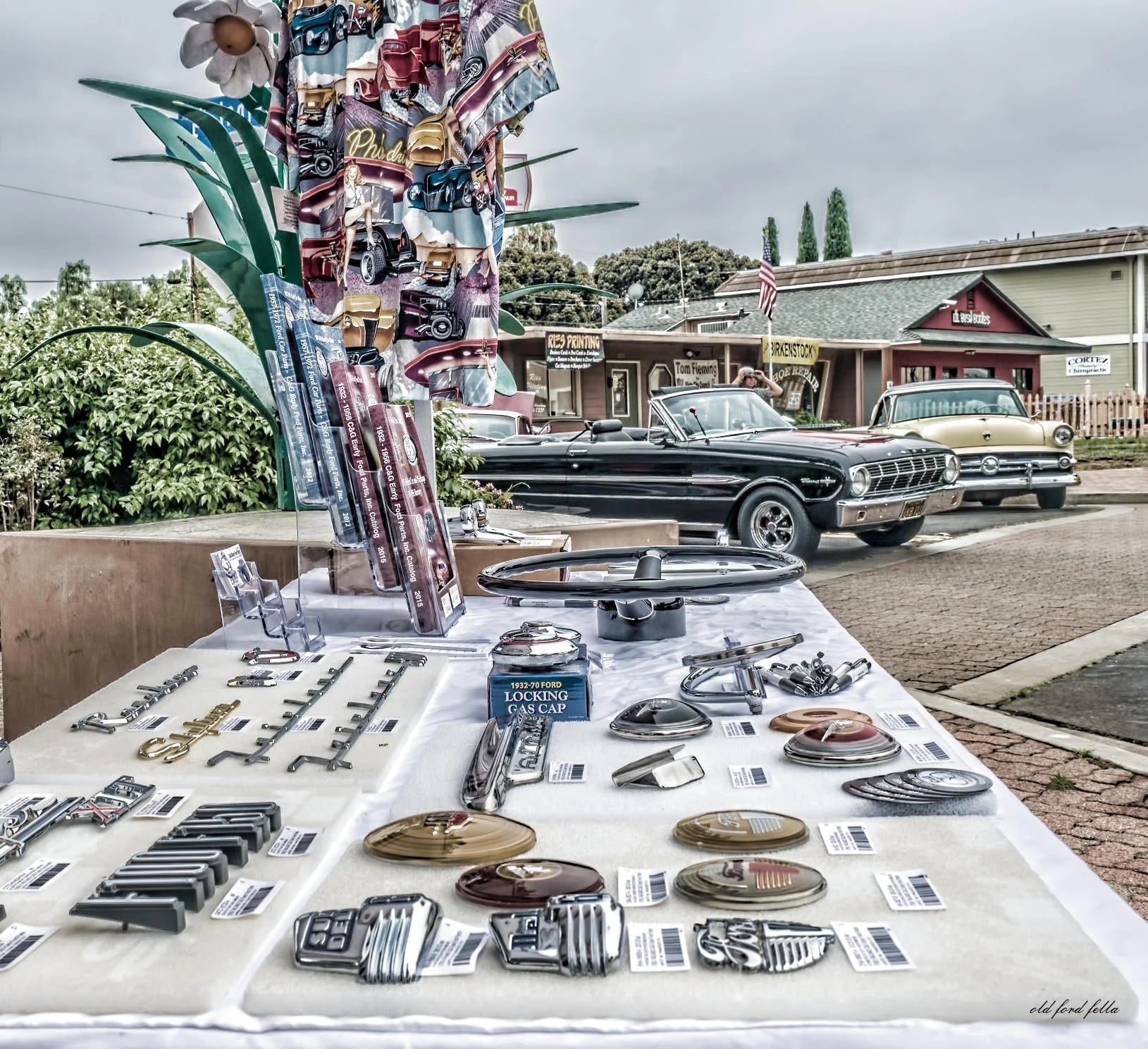
Reviving Nostalgia: Overview of the 1964 Ford Falcon Sprint

The 1964 Ford Falcon Sprint is a classic car that holds a special place in the hearts of many car enthusiasts. This vintage Ford model was known for its sleek design, powerful engine, and affordable price. While it may have been over 50 years since its release, the 1964 Ford Falcon Sprint is still a highly sought-after car for collectors and enthusiasts alike. In this article, we will explore the history of this iconic car and discuss the process of restoring one to its former glory. The History of the 1964 Ford Falcon Sprint 1964 Ford Falcon Sprint The Ford Falcon was first introduced in 1960 as a compact car designed to compete with other popular models of the time, such as the Chevrolet Corvair and the Plymouth Valiant. In 1963, Ford released the Falcon Sprint in hardtop and convertible, a sportier version of the original Falcon. The Sprint featured a 260 cid V8 engine, bucket seats, and a floor-mounted shifter (when equipped with the optional 4 speed), making it a popular choice among car enthusiasts. The Falcon Sprint hardtop was also used in various racing events, solidifying its reputation as a high-performance vehicle. If you're looking to restore a 1964 Ford Falcon Sprint, the first step is to find one for sale. While it may be challenging to find one in good condition, there are still some available for purchase. You can search online for classic car dealerships or browse through online marketplaces such as eBay or Craigslist. It's essential to thoroughly inspect the car before making a purchase, as it may require significant restoration work. Restoring a vintage car like the 1964 Ford Falcon Sprint requires a lot of time, effort, and money. It's crucial to have a clear plan and budget in place before starting the restoration process. The first step is to assess the condition of the car and determine which parts need to be replaced or repaired. It's essential to use original or high-quality reproduction parts to maintain the authenticity and value of the car. Once you have successfully restored your 1964 Ford Falcon Sprint, it's crucial to maintain it properly to preserve its value and performance. Regular maintenance, such as oil changes, tune-ups, and inspections, is essential to keep the car running smoothly. It's also essential to store the car in a dry, climate-controlled environment to prevent rust and other damage. Owning a 1964 Ford Falcon Sprint is more than just having a classic car; it's about reviving nostalgia and preserving a piece of history. Restoring this iconic car is a labor of love that requires dedication and passion. But the end result is a beautiful, high-performance vehicle that will turn heads and bring joy to its owner. Are you a fan of the 1964 Ford Falcon Sprint? Have you restored one yourself? Share your thoughts and experiences in the comments below.