1964 Ford Falcon Sprint a Brief History

1964 FORD FALCON SPRINT

1964 Ford Falcon Sprint

The 1964 Ford Falcon Sprint is a classic Ford car that holds a special place in the hearts of many car enthusiasts. This vintage Ford model was known for its sleek design, powerful engine, and affordable price. While it may have been over 50 years since its release, the 1964 Ford Falcon Sprint is still a highly sought-after car for collectors and enthusiasts alike. In this article, we will explore the history of this iconic car and discuss the process of restoring one to its former glory.

The History of the 1964 Ford Falcon Sprint 1964 Ford Falcon Sprint The Ford Falcon was first introduced in 1960 as a compact car designed to compete with other popular models of the time, such as the Chevrolet Corvair and the Plymouth Valiant. In 1963, Ford released the Falcon Sprint in hardtop and convertible, a sportier version of the original Falcon. The Sprint featured a more powerful 260 cid V8 engine, bucket seats, and a floor-mounted shifter (when equipped with the optional 4 speed), making it a popular choice among car enthusiasts. The Falcon Sprint hardtop was also used in various racing events, solidifying its reputation as a high-performance vehicle.

If you're looking to restore a 1964 Ford Falcon Sprint, the first step is to find one for sale. While it may be challenging to find one in good condition, there are still some available for purchase. You can search online for classic car dealerships or browse through online marketplaces such as eBay or Craigslist. It's essential to thoroughly inspect the car before making a purchase, as it may require significant restoration work.

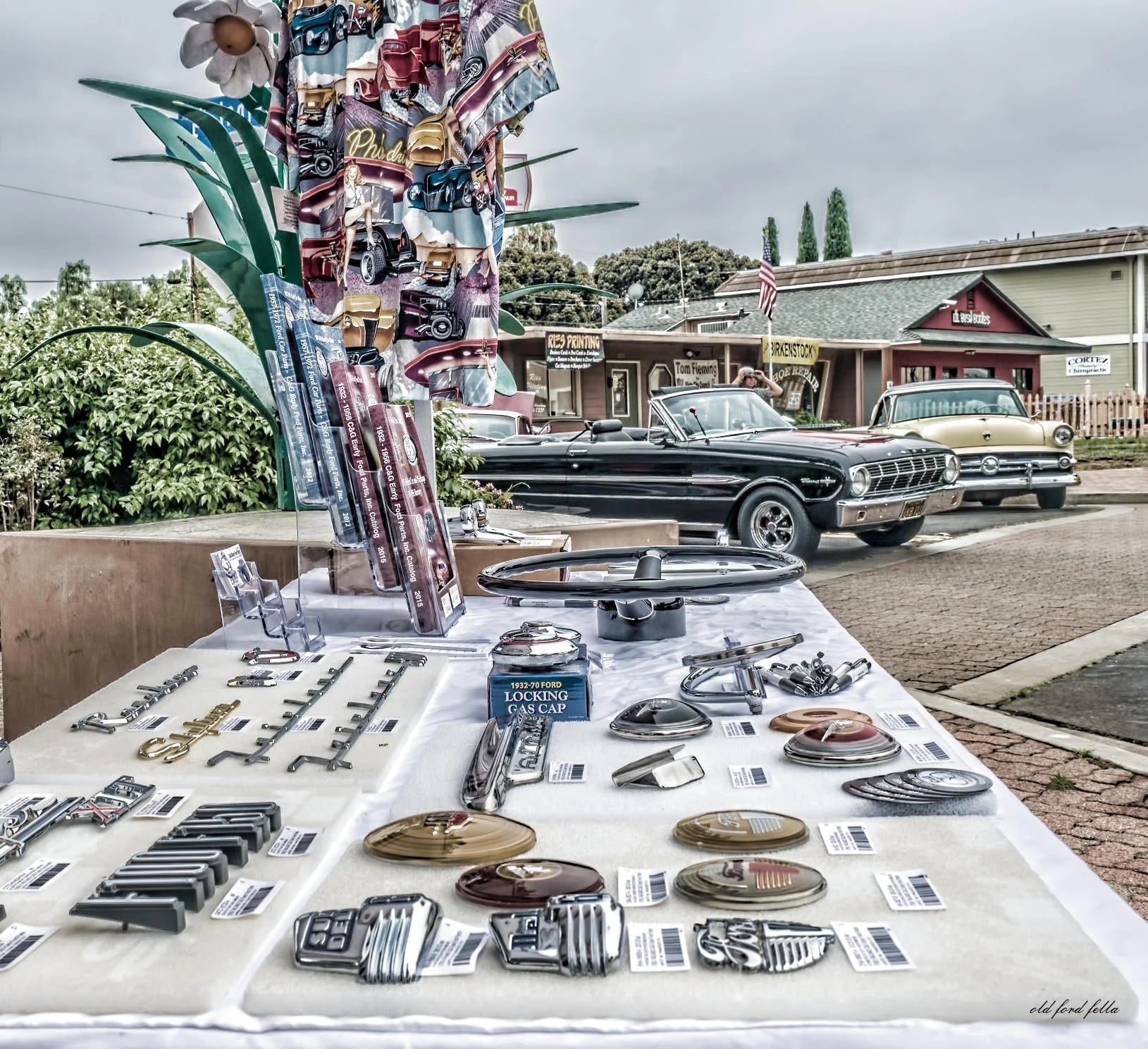
Restoring a vintage car like the 1964 Ford Falcon Sprint requires a lot of time, effort, and money. It's crucial to have a clear plan and budget in place before starting the restoration process. The first step is to assess the condition of the car and determine which parts need to be replaced or repaired. It's essential to use original or high-quality reproduction Ford parts to maintain the authenticity and value of the car.

Once you have successfully restored your 1964 Ford Falcon Sprint, it's crucial to maintain it properly to preserve its value and performance. Regular maintenance, such as oil changes, tune-ups, and inspections, is essential to keep the car running smoothly. It's also essential to store the car in a dry, climate-controlled environment to prevent rust and other damage. Owning a 1964 Ford Falcon Sprint is more than just having a classic car; it's about reviving nostalgia and preserving a piece of history.

Restoring this iconic car is a labor of love that requires dedication and passion. But the end result is a beautiful, high-performance vehicle that will turn heads and bring joy to its owner.

Are you a fan of the 1964 Ford Falcon Sprint? Have you restored one yourself? Share your thoughts and experiences in the comments below.


Leave a comment

Please note, comments need to be approved before they are published.

MORE CLASSIC FORD INSIGHTS

1959 PARK LIGHT HOUSINGS

1959 PASSENGER/RANCHERO PARK LIGHT HOUSINGS

INTRODUCING A NEW ITEM, THE 1959 PASSENGER AND RANCHERO PARK LIGHT HOUSINGS!  
Baby Moon hub cap

Baby Moon hub cap

The Baby Moon Hub Cap: A Blast from the Past If you're a fan of classic automobiles and have a soft spot for Americana, you've likely come across the term "baby moon hub cap" at some point. These shiny, timeless accessories have a fascinating history and a unique place in the world of automotive design. In this blog post, we'll dive into the development, design, production statistics, and popularity of the baby moon hub cap. Development and Design The Baby Moon hub cap, also known simply as "baby moons," emerged during the golden era of classic Ford automobiles in the 1950s and 1960s. These hub caps are characterized by their smooth, minimalist design. Unlike their full-sized counterparts, which were aluminium, baby moons were all about simplicity and elegance. Made from high-quality chrome or stainless steel, baby moons were designed to fit snugly over the hub of a car's wheel, providing a clean and polished look. Their minimalist design made them a popular choice among car enthusiasts who appreciated the understated beauty of classic cars. Production Statistics While it's challenging to pinpoint exact production statistics for baby moon hub caps, they were widely produced during the mid-20th century, primarily as aftermarket accessories. Various manufacturers, including companies like Mooneyes, produced these hub caps to cater to the growing demand from car owners looking to enhance the aesthetics of their vehicles. During their heyday, baby moons could be found on a wide range of American cars, including Ford, Chevrolet, and Dodge models. They became a symbol of the era's automotive style and are closely associated with the classic Ford automobiles that many enthusiasts still cherish today. Popularity Over the Years The popularity of baby moon hub caps has endured over the years, thanks to their timeless design and association with the classic Americana era. Car enthusiasts and collectors continue to seek out these hub caps to complete the authentic look of their vintage vehicles. Additionally, baby moons have found a place in modern hot rod and custom car culture. Enthusiasts often use them to add a touch of nostalgia to their custom builds, demonstrating the enduring appeal of these simple yet iconic accessories. Conclusion In conclusion, the baby moon hub cap is a classic automotive accessory that has left an indelible mark on the world of classic cars and Americana. Its development, design, and continued popularity reflect the enduring appeal of timeless automotive aesthetics. While exact production statistics may be elusive, the legacy of the baby moon hub cap lives on in the hearts of car enthusiasts and collectors, making it a cherished piece of automotive history.
No image

Reviving Nostalgia: Overview of the 1964 Ford Falcon Sprint

The 1964 Ford Falcon Sprint is a classic car that holds a special place in the hearts of many car enthusiasts. This vintage Ford model was known for its sleek design, powerful engine, and affordable price. While it may have been over 50 years since its release, the 1964 Ford Falcon Sprint is still a highly sought-after car for collectors and enthusiasts alike. In this article, we will explore the history of this iconic car and discuss the process of restoring one to its former glory. The History of the 1964 Ford Falcon Sprint 1964 Ford Falcon Sprint The Ford Falcon was first introduced in 1960 as a compact car designed to compete with other popular models of the time, such as the Chevrolet Corvair and the Plymouth Valiant. In 1963, Ford released the Falcon Sprint in hardtop and convertible, a sportier version of the original Falcon. The Sprint featured a 260 cid V8 engine, bucket seats, and a floor-mounted shifter (when equipped with the optional 4 speed), making it a popular choice among car enthusiasts. The Falcon Sprint hardtop was also used in various racing events, solidifying its reputation as a high-performance vehicle. If you're looking to restore a 1964 Ford Falcon Sprint, the first step is to find one for sale. While it may be challenging to find one in good condition, there are still some available for purchase. You can search online for classic car dealerships or browse through online marketplaces such as eBay or Craigslist. It's essential to thoroughly inspect the car before making a purchase, as it may require significant restoration work. Restoring a vintage car like the 1964 Ford Falcon Sprint requires a lot of time, effort, and money. It's crucial to have a clear plan and budget in place before starting the restoration process. The first step is to assess the condition of the car and determine which parts need to be replaced or repaired. It's essential to use original or high-quality reproduction parts to maintain the authenticity and value of the car. Once you have successfully restored your 1964 Ford Falcon Sprint, it's crucial to maintain it properly to preserve its value and performance. Regular maintenance, such as oil changes, tune-ups, and inspections, is essential to keep the car running smoothly. It's also essential to store the car in a dry, climate-controlled environment to prevent rust and other damage. Owning a 1964 Ford Falcon Sprint is more than just having a classic car; it's about reviving nostalgia and preserving a piece of history. Restoring this iconic car is a labor of love that requires dedication and passion. But the end result is a beautiful, high-performance vehicle that will turn heads and bring joy to its owner. Are you a fan of the 1964 Ford Falcon Sprint? Have you restored one yourself? Share your thoughts and experiences in the comments below.