1979 Ford F150

1979 Ford F150

1979 Ford F150

The 1979 Ford F150 stands as a significant chapter in the storied history of Ford trucks. Known for its durability, classic design, and utility, the '79 F150 is a beloved model among enthusiasts of classic Ford automobiles.

Specifications

Engine Options: The 1979 F150 came with various engine options, including: 4.9L 300 Inline-6: A reliable workhorse known for its longevity. 5.0L 302 V8: Offered a balance of power and efficiency. 5.8L 351M V8 and 6.6L 400 V8: These larger engines were preferred for heavier towing and payload capacities.

Transmission: Standard: 3-speed manual. Optional: 4-speed manual and 3-speed automatic.

Dimensions: Wheelbase: Ranged from 117 inches (regular cab, short bed) to 155 inches (SuperCab, long bed). Length: Varied based on the model, from 188.5 inches to 235 inches. Width: Approximately 79 inches.

Towing and Payload: Depended on the engine and configuration, with the larger engines supporting greater capacities.

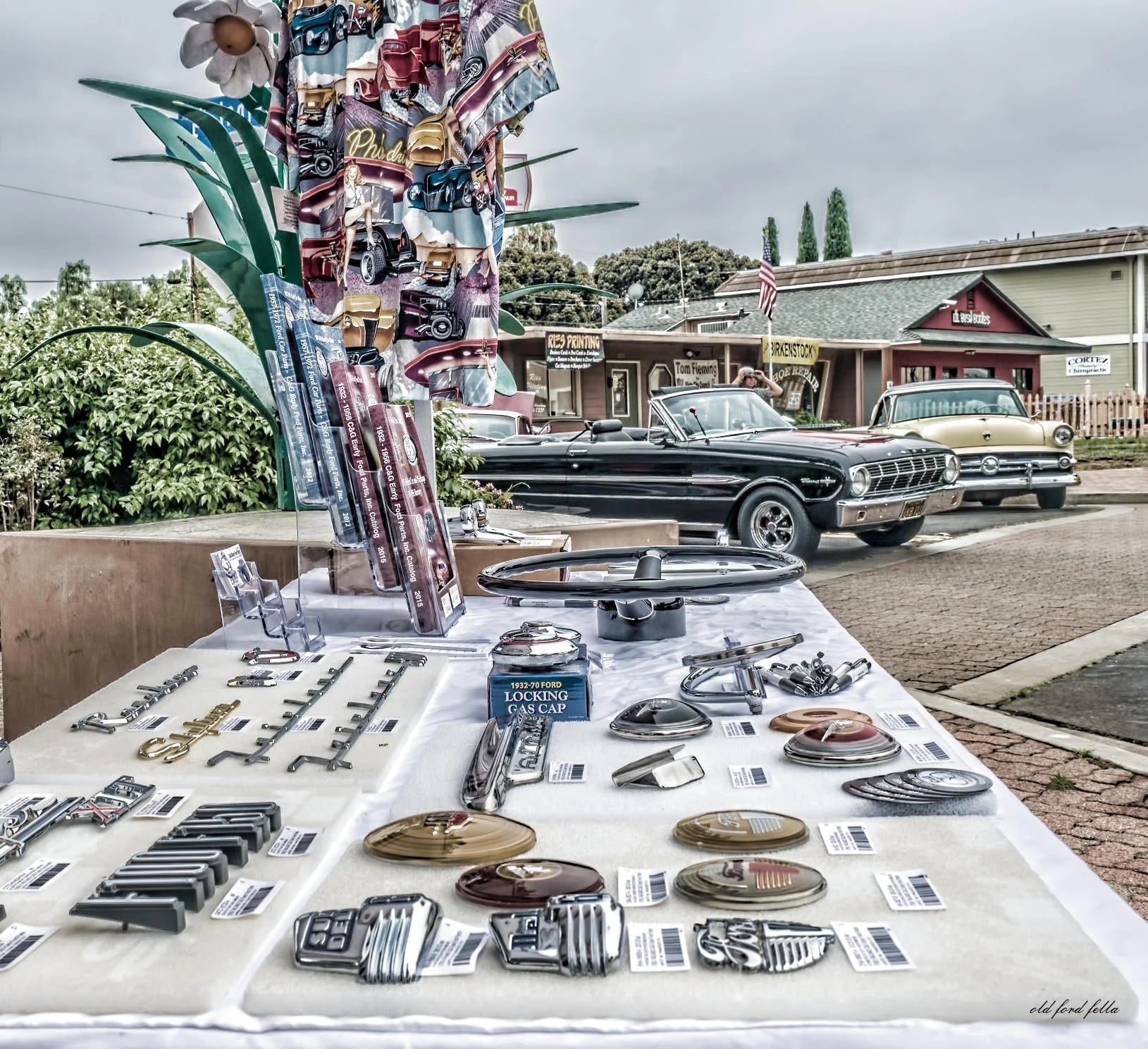
Part Numbers: Locating specific part numbers for a vehicle as old as the 1979 F150 can be challenging. However, some common parts include: Brake Pads: D84-2 Oil Filter: FL-1A Spark Plugs: AGSF32. For more specific parts and their numbers, enthusiasts often refer to vintage Ford parts catalogs or online forums. A great place to get real people to talk parts with, is C&G Ford Parts in Escondido, California.

Production Numbers: Ford does not publicly release detailed production numbers by year and model. However, it's known that the F-Series was America's best-selling truck in 1979, contributing significantly to the series' overall sales. The F150's popularity in this era helped solidify its legacy in the Ford lineup.

Accessories and Customization: The 1979 F150 was often customized and accessorized, reflecting the owner's needs and style. Popular accessories included: Chrome Bumpers: For enhanced aesthetics. Toolboxes: Fitted in the bed for utility. Lift Kits: Many owners lifted their trucks for off-road capability or for a more imposing road presence. Custom Paint Jobs: Reflecting the era's penchant for personalization.

Conclusion: The 1979 Ford F150 remains a beloved classic. Its robust construction, range of engine options, and classic styling have ensured its lasting appeal. While specific part numbers and production figures can be elusive, the truck's impact on the automotive landscape is undeniable. Whether restored to its original glory or customized for modern roads, the '79 F150 continues to be a symbol of Americana and the enduring legacy of Ford trucks.

Leave a comment

Please note, comments need to be approved before they are published.

MORE CLASSIC FORD INSIGHTS

Old Ford Drum Brake History and Tutorial

Old Ford Drum Brake History and Tutorial

Old Ford drum brake history and tutorial Pre 1967 old Ford cars and old Ford trucks used a drum brake system. In these systems, pressure applied to the brake pedal is transmitted to the master cylinder, which in turn disperses the energy ultimately to the brakes in each wheel. The master cylinder uses the brake fluid to move the wheel cylinders, which in turn moves the brake shoes in the drum. There is a front and back brake shoe, the rear one for stopping a vehicle in drive and the forward one for stopping a vehicle in reverse. When either shoe is pressed against the anchor pin, the brakes are engaged, and the vehicle comes to a stop. The brake pads form the shoes to the anchor pin so there is no slipping. The padding on the rear brake shoe is typically longer and sometimes made of a different material to allow the shoes to wear at a similar rate, since the rear shoe sees much more use. The brake shoes are secured in the drum with both hardware and return springs, which must meet ideal sizing and tension specifications for your make and model for top brake performance. These parts should be replaced any time you work on the brakes in order to counteract wear and tear that can lead to longer stopping times. Stock brake line hoses will have a rubber lining, while aftermarket hoses are available in a stainless braided wrap to preserve the hose. Whichever type you get, make sure the hoses are the correct thread size and length for your year and model and meet DOT safety standards. The rear wheel drum brakes will also contain the parking brake mechanism and will have a cable to the parking brake. Brake pipe must be double flared and use flared nuts. It can be purchased with the flaring already completed or you can cut your own and flare it yourself, but it should meet or exceed DOT safety standards. Hydraulic brakes will fail if there is a weak point in the system, so make sure all your hose and fittings are SAE rated and correctly installed. If you are unsure after installation, test the brakes at low speed in a safe area, such as your driveway or an empty parking lot before taking the vehicle on the road. Starting in 1967 all old fords have a dual master cylinder. This part separates the wheel hydraulics of the front and rear of the car, so a failure in one will not cause a failure in the other. In vehicles without this feature, a leak anywhere in the brake line will cause the entire brake system to fail. With a dual master cylinder, a leak in the front brake system will not affect the rear and vice versa. This is standard in vehicles made after '67, but it's a good safety upgrade for older classic Fords as well. Many classic Ford owners choose to upgrade their front brake system to disc brakes, or the complete system. Drum brakes can overheat and fail in high braking conditions, such as rapid stops at high speeds or driving downhill on mountainous roads. Disc brakes are open and exposed to the outside air, which prevents overheating and brake failure. While this upgrade is not strictly necessary, it's a good idea if you frequently drive in hilly or mountainous areas. Original Ford brake shoes used asbestos in the brake pads. If you are working on a vehicle with its original brake shoes or if you are uncertain if they are original, wear a respirator rated for asbestos while working and wet the brake pads before opening the drum to prevent the asbestos from becoming air born. When cleaning dust from drum brakes, use a dense filtration system to trap the asbestos and dispose of it properly. You can resurface a drum with minor surface issues, but make sure it stays within factory limits for your year and model. Worn or thin drums can break apart or crack and cause brake failure. If you see excessive wear and tear, replace the drum. If you are replacing a leaking wheel cylinder, it's a good idea to do them all at once, including the master cylinder. If you have had problems with one, you will soon have problems with the rest. In addition, you won't need to remember which cylinder was replaced when for future maintenance if they were all replaced at once. You can use a vacuum bleeder to remove old brake fluid and contaminants. Once you remove the old fluid you can use denatured alcohol followed by air to purge the lines. Vacuum each cylinder, including the master cylinder, and replace the old fluid with new, DOT 3 or 4 fluids. When changing fluid, change the rubber hoses and seals. If you have a combination disc and drum system, only use DOT 4 fluid. To ensure a complete cleaning, vacuum some of the new fluid through as well do catch any missed contaminants. When working on or near the brake line, make sure no petroleum-based liquid, such as gasoline, oil, or mineral oil, encounters the hosing. These oils can break down the rubber and cause hoses to start leaking. Make sure to wash your hands thoroughly before and during working on the brakes system to prevent this, especially if you have been working on other parts of the vehicle. When working on your brakes, make sure to follow safety precautions, use safety rated parts, and check over your work carefully. Drum brakes are a very important part of the machinery, and due to the hydraulic system, can easily lose stopping power or fail if something is wrong, especially without a dual master cylinder. Whether you're doing regular maintenance or upgrading the whole system, working carefully will ensure a successful job for your vehicle.
No image

YOUR CLASSIC FORD PARTS STORE

YOUR CLASSIC FORD PARTS STORE If you own a classic Ford, you’re used to dependability. You go out, you start the vehicle, and it runs. That’s the way it should be. After all, when it’s an older Ford, it has longevity built right into it. Sometimes, though, things will take a toll on the best ride you’ve ever owned. Could be the weather - or a little ding or two that happens when someone isn’t paying attention and they run into you. Whatever the reason, if you’ve got something on your list that you need for your old Ford, you can find it at a C&G Ford Parts. You’ll find thousands upon thousands of parts that can get your Ford in the best shape, even if you own one from the late 1970's. That’s sure to give you peace of mind right there. Say you’ve got a 1979 Ford F150 pickup. The jet-black custom paint on it just glints in the sunlight. Your truck is the envy of the neighborhood and everywhere else that you take it. You worked hard for that truck and you deserve to show it off. Taking a friend out for a round or two of golf, you park the truck in the lot carefully away from other cars. But you know how it goes. There always has to be someone who parks right up on you. Only this time, they broke your driver’s side mirror up pretty good and took off without having the decency of letting anyone know. When you do a thorough examination, you see that the door is fine, but the mirror can’t be repaired - the damage is too bad. It’s got to be replaced. Besides making you mad, you’re now faced with the task of figuring out where you’re going to go to get one like it. No worries, because you can get the part you need right at a classic Ford parts store, C&G Ford Parts to be exact. Places that have the stock you’re looking for can easily cover getting you that mirror in no time. Best of all, getting that replacement mirror in an exact match for your truck isn’t going to cost you every penny you’ve got in the bank. At C&G Ford parts, not only will you find what you need when you need it, but you’ll find it for a reasonable price as well. You can’t always prevent bad drivers from doing foolish things and ending up damaging your Ford. But you can rest assured knowing that a C&G Ford parts has got you covered. So take that truck out for a spin any time. They’ll be waiting on you when you need them.
Ford F100

Exploring an American Classic The Ford F100

The Ford F100, a member of the renowned F-Series, has a rich history that spans decades, evolving from a utilitarian work truck to a sought-after classic. Originally designed to meet the demands of post-war America, the F-100 has since become a symbol of vintage style and automotive nostalgia. The F-100 debuted in 1953, a milestone that marked the second generation of Ford's F-Series. Known for its increased dimensions, improved engines, and updated aesthetics, the F-100 was a significant upgrade from its predecessors. It featured a more powerful 215cid inline-six engine, with an option for a 239cid V8, delivering robust performance for the era. The truck boasted a maximum payload capacity of approximately 1,000 to 1,500 pounds, catering to the needs of businesses and individual users alike. In terms of pricing, the F-100 was marketed as an affordable, reliable work truck. Prices started around $1,600, a figure that, when adjusted for inflation, underscores the truck's value proposition. Fast forward to the present, and the Ford F100 occupies a different space in the automotive world. No longer just a work vehicle, it has become a beloved classic, cherished by collectors and enthusiasts. The market for vintage F-100s has seen a significant uptick, with fully restored models fetching prices upwards of $20,000 to $30,000, and exceptional specimens or custom builds going even higher. The appeal of the F-100 in today's market lies in its simplicity, classic design, and the nostalgia it evokes. It's a canvas for customization, with a thriving aftermarket offering everything from original replacement parts to modern upgrades. The versatility of the F-100 makes it a favorite among those looking to create a personalized classic that combines vintage charm with modern performance. The demand for original equipment specifications remains high, with purists seeking to restore F-100s to their factory glory. This desire for authenticity reflects a broader trend in the classic car market, where originality often equates to higher value. Conclusion The Ford F-100's journey from a practical utility vehicle to a cherished classic is a testament to its enduring appeal. In the current market, it embodies a blend of history, style, and the enduring legacy of Ford's commitment to utility and innovation. Whether restored to its original specifications or customized to modern tastes, the F-100 remains a beloved piece of American automotive history, with a vibrant community of enthusiasts keeping its spirit alive.