Exploring an American Classic The Ford F100

Ford F100

The Ford F100, a member of the renowned F-Series, has a rich history that spans decades, evolving from a utilitarian work truck to a sought-after classic. Originally designed to meet the demands of post-war America, the F-100 has since become a symbol of vintage style and automotive nostalgia.

The F-100 debuted in 1953, a milestone that marked the second generation of Ford's F-Series. Known for its increased dimensions, improved engines, and updated aesthetics, the F-100 was a significant upgrade from its predecessors. It featured a more powerful 215cid inline-six engine, with an option for a 239cid V8, delivering robust performance for the era. The truck boasted a maximum payload capacity of approximately 1,000 to 1,500 pounds, catering to the needs of businesses and individual users alike.

In terms of pricing, the F-100 was marketed as an affordable, reliable work truck. Prices started around $1,600, a figure that, when adjusted for inflation, underscores the truck's value proposition. Fast forward to the present, and the Ford F100 occupies a different space in the automotive world. No longer just a work vehicle, it has become a beloved classic, cherished by collectors and enthusiasts.

The market for vintage F-100s has seen a significant uptick, with fully restored models fetching prices upwards of $20,000 to $30,000, and exceptional specimens or custom builds going even higher. The appeal of the F-100 in today's market lies in its simplicity, classic design, and the nostalgia it evokes. It's a canvas for customization, with a thriving aftermarket offering everything from original replacement parts to modern upgrades.

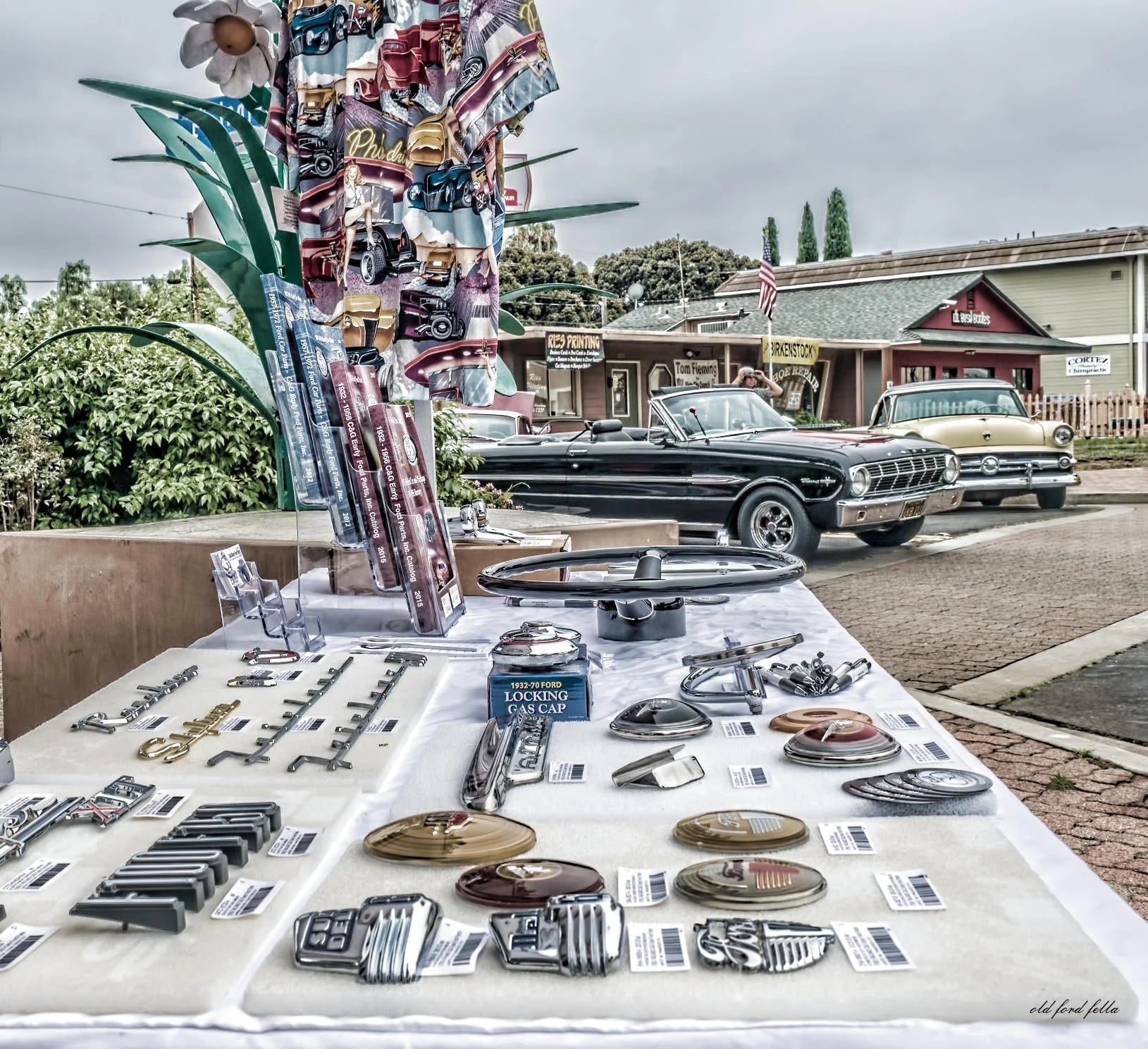
The versatility of the F-100 makes it a favorite among those looking to create a personalized classic that combines vintage charm with modern performance. The demand for original equipment specifications remains high, with purists seeking to restore F-100s to their factory glory. This desire for authenticity reflects a broader trend in the classic car market, where originality often equates to higher value.

Conclusion

The Ford F-100's journey from a practical utility vehicle to a cherished classic is a testament to its enduring appeal. In the current market, it embodies a blend of history, style, and the enduring legacy of Ford's commitment to utility and innovation. Whether restored to its original specifications or customized to modern tastes, the F-100 remains a beloved piece of American automotive history, with a vibrant community of enthusiasts keeping its spirit alive.

Leave a comment

Please note, comments need to be approved before they are published.

MORE CLASSIC FORD INSIGHTS

Kristian Tristans Mustang

CLASSIC MUSTANG PARTS

There’s nothing like the sound of a 289 V8 with a four-barrel carburetor purring down the street. When you’ve got the ponies galloping under the hood of a 1966 Mustang, it doesn’t matter if the sun is shining or the rain is pouring - it’s a beautiful day when you’re behind the wheel of a classic. Classic cars, especially ones like the Mustang, are always head turners. It’s no wonder your car sounds good. You’ve kept your beauty running smoothly with classic Mustang parts whenever you need to replace something. Sometimes, when you own a classic, just like with the newer model cars, a problem can develop unexpectedly. The problems can be small or large. For example, you might start to notice that your Mustang doesn’t have the same gallop it used to have. You don’t see what the problem is until one day, you see smoke like you’ve never seen before. When you see white smoke coming from the exhaust of the car, you need to get it home and check the dipstick to see if there’s a distinctive milky appearance in the oil. That could mean a blown head gasket. When you realize that there’s a blown head gasket, you know that in order to get the car up and running in the best of shape, you’ve got to find an auto store that sells classic Mustang parts. You may not have one local, you may have to order online, but whatever you have to do to get parts for your car, it’s worth any effort. You don’t want to compromise with just any parts seller, come to the best here at C&G Ford Parts! A lot of times, you’ll see shops advertise that their replacement parts for your classic car are so “identical looking” that you can’t see a visual difference. You may not be able to see a visual difference with a knock off part, but you can certainly tell a difference in how the car runs and in how long that part will last. Buying classic Mustang parts isn’t just for when you need to fix something on the car. These are what car enthusiasts look for when they’re restoring a classic to its former glory - and if you ever decide to sell you car, it should have parts made just for it. It doesn’t matter if it’s a small job like replacing your gas cap or a big job like replacing the windshield seal - you’ll get more mileage and less headaches by choosing classic Mustang parts from C&G Ford Parts, always choose the best.
The Iconic 1965 Ford Mustang

The Iconic 1965 Ford Mustang

The Iconic 1965 Ford Mustang The Ford Mustang, a name that resonates with freedom, power, and style, made its debut in 1964 but it was the 1965 model year that solidified its legend in automotive history. Often celebrated as the car that started the "pony car" era, the 1965 Mustang was not just a vehicle; it was a cultural phenomenon. Design and Style The 1965 Mustang was an immediate hit due to its sleek, long-hood, short-deck design crafted by Lee Iacocca's team. The car's profile was distinctly sporty with a chrome grille, tri-bar taillights, and a fastback version that added an aggressive, almost European flair. Available in coupe, convertible, and fastback body styles, the Mustang could be tailored to suit various tastes, from the conservative to the audacious. Interior options ranged from luxurious with bucket seats and a console to more basic vinyl benches, catering to a broad demographic. Engine Options What made the Mustang particularly versatile was its range of engine choices. At the base, there was a 170 cubic inch inline-six that was economical for daily driving. For those seeking more thrill, Ford offered a trio of V8 options: 200 hp 289 V8 with a two-barrel carburetor. 225 hp 289 V8 with a four-barrel carburetor: This version delivered more punch, enhancing the car's sporty character. 271 hp GT package with a 289 Hi-Po (High Performance): This was the choice for enthusiasts who wanted to experience the raw power under the hood, especially when paired with a 4-speed manual transmission Performance and Popular Culture The Mustang wasn't just about looks and power; it was about accessibility. Priced at around $2,368 for the base model, it was relatively affordable, allowing a wide array of Americans to own a piece of automotive flair. Its introduction timing was impeccable, aligning with the youth culture of the 60s, which celebrated speed, freedom, and individuality. The Mustang found its way into movies, TV shows, and became synonymous with the American dream of the open road Legacy Over the decades, the 1965 Mustang has not only retained its iconic status but has also seen its value appreciate significantly among collectors. The model year is often cited for its pivotal role in shaping car design trends, influencing everything from the muscle car era to modern sports cars. Today, a well-preserved 1965 Mustang, especially in its GT or Shelby versions, can fetch high prices at auctions, reflecting not just nostalgia but appreciation for its design and engineering prowess The 1965 Ford Mustang was more than a car; it was a symbol of a transformative period in American automotive history, embodying the spirit of an era where style, performance, and accessibility collided to create something truly timeless. Whether you're a car enthusiast or not, the Mustang's impact on culture, design, and the automotive industry is undeniable, making it a forever celebrated piece of Americana.
No image

Reviving Nostalgia: Overview of the 1964 Ford Falcon Sprint

The 1964 Ford Falcon Sprint is a classic car that holds a special place in the hearts of many car enthusiasts. This vintage Ford model was known for its sleek design, powerful engine, and affordable price. While it may have been over 50 years since its release, the 1964 Ford Falcon Sprint is still a highly sought-after car for collectors and enthusiasts alike. In this article, we will explore the history of this iconic car and discuss the process of restoring one to its former glory. The History of the 1964 Ford Falcon Sprint 1964 Ford Falcon Sprint The Ford Falcon was first introduced in 1960 as a compact car designed to compete with other popular models of the time, such as the Chevrolet Corvair and the Plymouth Valiant. In 1963, Ford released the Falcon Sprint in hardtop and convertible, a sportier version of the original Falcon. The Sprint featured a 260 cid V8 engine, bucket seats, and a floor-mounted shifter (when equipped with the optional 4 speed), making it a popular choice among car enthusiasts. The Falcon Sprint hardtop was also used in various racing events, solidifying its reputation as a high-performance vehicle. If you're looking to restore a 1964 Ford Falcon Sprint, the first step is to find one for sale. While it may be challenging to find one in good condition, there are still some available for purchase. You can search online for classic car dealerships or browse through online marketplaces such as eBay or Craigslist. It's essential to thoroughly inspect the car before making a purchase, as it may require significant restoration work. Restoring a vintage car like the 1964 Ford Falcon Sprint requires a lot of time, effort, and money. It's crucial to have a clear plan and budget in place before starting the restoration process. The first step is to assess the condition of the car and determine which parts need to be replaced or repaired. It's essential to use original or high-quality reproduction parts to maintain the authenticity and value of the car. Once you have successfully restored your 1964 Ford Falcon Sprint, it's crucial to maintain it properly to preserve its value and performance. Regular maintenance, such as oil changes, tune-ups, and inspections, is essential to keep the car running smoothly. It's also essential to store the car in a dry, climate-controlled environment to prevent rust and other damage. Owning a 1964 Ford Falcon Sprint is more than just having a classic car; it's about reviving nostalgia and preserving a piece of history. Restoring this iconic car is a labor of love that requires dedication and passion. But the end result is a beautiful, high-performance vehicle that will turn heads and bring joy to its owner. Are you a fan of the 1964 Ford Falcon Sprint? Have you restored one yourself? Share your thoughts and experiences in the comments below.