Reproduction parts vs used/nos

Reproduction parts vs used/nos

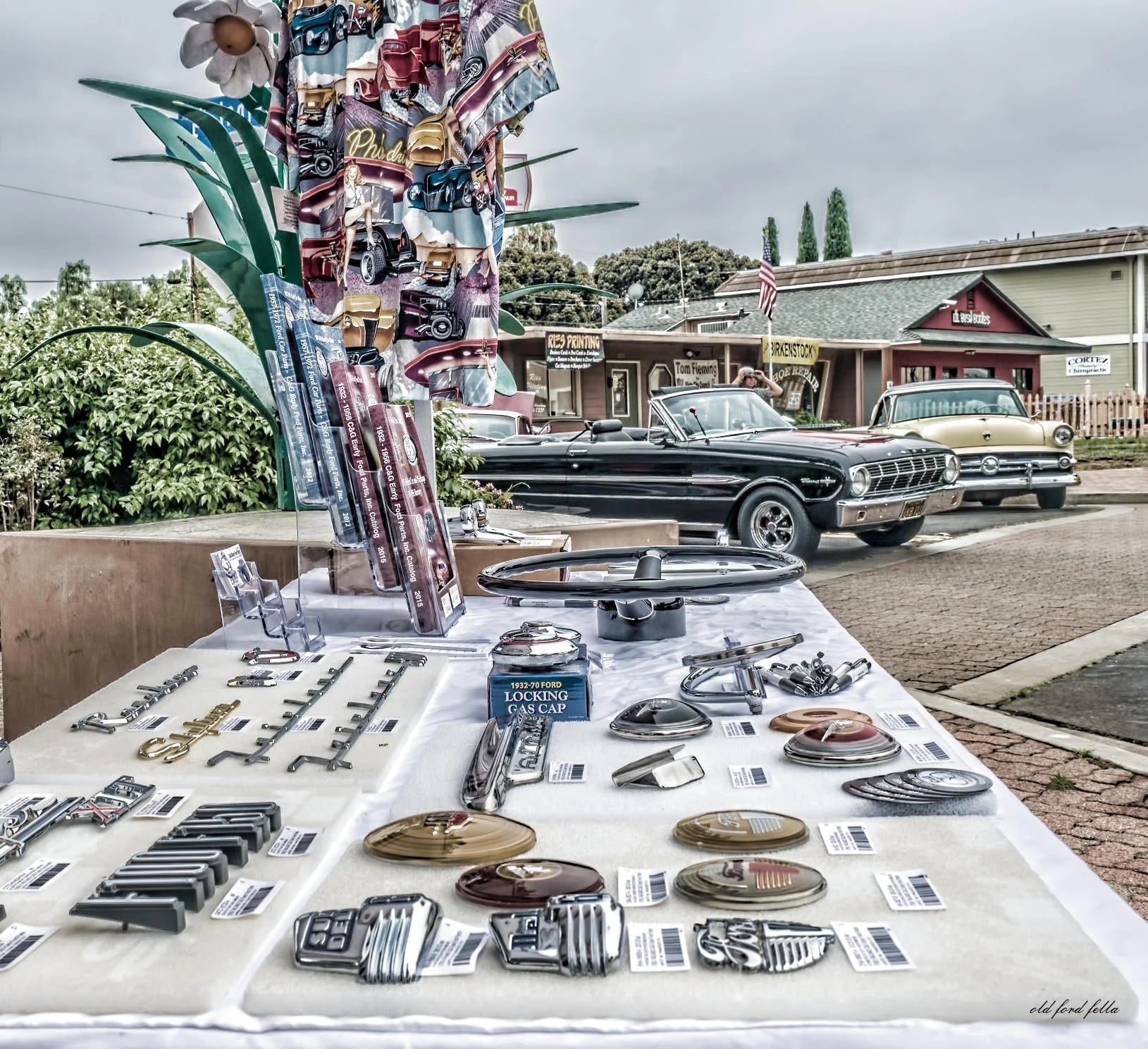
As a classic Ford enthusiast, my journey in the realm of restoration has been nothing short of exhausting. The thrill of bringing a vintage beauty back to its former glory is unparalleled. However, this passion comes with its challenges, the most significant being sourcing the right parts. This is where classic reproduction Ford parts have become a game-changer for someone like me.

For years, the pursuit of authentic, original used and NOS parts was akin to searching for a needle in a haystack. These parts, often scarce and very expensive, could mean the difference between a stalled project and a triumphant restoration. Then entered the world of reproduction parts – a world that has not only made restoration more accessible but also more reliable.

Initially, I was skeptical about using reproduction parts. Would they fit correctly? Would they maintain the authentic look and feel of my classic Ford? These concerns, however, were quickly dispelled. Modern reproduction parts are crafted so that they seamlessly blend with the original components. Manufacturers use advanced technologies and materials to replicate parts.

One of the biggest advantages I've experienced with reproduction parts is the availability of parts. Unlike original parts, which may have undergone decades of wear and tear, reproduction parts are brand new and often incorporate modern engineering improvements. This doesn't just bring peace of mind; it enhances the driving experience, making it safer and more enjoyable.

From a cost perspective, reproduction parts are generally more affordable than their NOS counterparts. This affordability has allowed me to allocate resources to other aspects of restoration, like professional paint jobs or interior refurbishments. Moreover, the availability of these parts means less time scouring swap meets and more time in the garage, doing what I love.

In conclusion, classic reproduction Ford parts have transformed the restoration landscape for enthusiasts like me. They bridge the gap between the past and the present, ensuring that the legacy of classic Fords continues to cruise down our roads, not just reside in our memories. They are a testament to the evolving nature of car restoration, blending tradition with innovation, and keeping the spirit of classic Fords alive and roaring.

Leave a comment

Please note, comments need to be approved before they are published.

MORE CLASSIC FORD INSIGHTS

A classic old ford scene featuring 1940's Americana

The Classic Ford Parts Niche and Americana

The world of classic Ford parts is a niche fueled by a unique blend of nostalgia, engineering marvel, and a deep-seated passion for automotive history. This niche isn't just about maintaining or restoring old vehicles; it's about preserving a legacy, a piece of Americana that has shaped and been shaped by decades of innovation and culture. At the heart of this niche are the classic Fords themselves - from the groundbreaking Model T, the first car to be mass-produced, to the Mustang, an icon of American muscle and the F series pick ups which supply the backbone of America. Each model represents a different era, a distinct style of engineering and design. Restoring these vehicles is more than a hobby; it's a journey back in time, an attempt to capture the essence of an era long gone. For those immersed in the classic Ford parts niche, the hunt components is a significant part of the excitement. These enthusiasts spend countless hours searching through auto flea markets, online forums, and specialty shops for that perfect part. The joy of finding a rare, original component can be as exhilarating as driving the restored vehicle itself. The community aspect of this niche is incredibly strong. Across the world, classic Ford owners and restorers come together, both online and in person, to share stories, exchange knowledge, and offer support. Car shows and meet-ups turn into celebrations of these automotive treasures, where the beauty and craftsmanship of classic Fords are displayed with pride. Moreover, the classic Ford parts niche is not just about the past; it's about sustainability. In a world increasingly concerned with environmental impact, restoring and maintaining older vehicles is a form of recycling, giving new life to old Fords that might otherwise be forgotten relics. In essence, the classic Ford parts niche is more than a collection of old cars and their components. It's a testament to the enduring impact of Ford's innovations on automotive culture. It's a community bound by a shared passion for the art of restoration, a reverence for history, and the thrill of bringing a piece of that history back to life. For many, it's not just a hobby; it's a way of connecting with the past and preserving it for future generations. Here at C&G Ford Parts we specialize in reproduction Ford parts.
 37-41 Old Ford Trucks, Old Ford Car and Old Mercury Car Distributor

INSTALLING A CLASSIC FORD DISTRIBUTOR INTO OLD FORD TRUCKS AND CARS

INSTALLING A CLASSIC FORD DISTRIBUTOR 1932-1941 Old Ford Trucks, 1932-1941 Ford Passenger Cars and 1939-1941 Mercury Cars with original V8 distributor: 1. Check inner caps one at a time to make sure they fit distributor housing, sand them if needed. Also check to make sure once installed rotor does not hit the inner cap. After fitting inner caps put inner and outer caps together with the spark plug wires and set aside. 2. Mount coil to distributor making sure coil brush makes contact with rotor and copper contact is not bent. 3. Make sure the mounting surface is clean and there is nothing in the camshaft slot where the distributor mounts. Check to make sure mounting bolt threads are clean and free of dirt, set bolts on top of engine for easy reach. 4. Time to mount the distributor. Put gasket on base of distributor, you can put a small amount of sealant on the gasket. Place distributor on to timing cover using fingers to turn rotor to make sure distributor is correctly seated in the camshaft. The distributor will mount flat to the timing cover when correctly installed. If the distributor is not seated correctly you can crack the distributor case when you tighten the bolts. Now you can put the three mounting bolts in and tighten. Do not over tighten(snug). 5. Install inner/outer caps to the distributor and pop the bail over to hold in place. 6. Install vacuum line to distributor. 1941-47 (6 Cylinder “G” Engine) Old Ford Trucks and Passenger Cars, 1942-1947 Old Ford Trucks and 1942-1948 Passenger Cars/Mercury Cars (V8): 1. Make sure the mounting surface is clean and there is nothing in the camshaft slot where the distributor mounts. Check to make sure mounting bolt threads are clean and free of dirt, set bolts on top of engine for easy reach. 2. Place the rotor on distributor and mount distributor cap and turn rotor slowly to make sure the rotor does not hit the inner cap. If rotor hits cap lightly file end of rotor till it clears. Remove distributor cap and set aside. Leave rotor on distributor. 3. Time to mount the distributor. Put gasket on base of distributor, you can put a small amount of sealant on the gasket, be sure not to get sealant on vacuum rubber grommet. Place distributor on to timing cover using fingers to turn rotor to make sure distributor is correctly seated in the camshaft. The distributor will mount flat to the timing cover when correctly installed. If the distributor is not seated correctly you can crack the distributor case when you tighten the bolts. Now you can put the two mounting bolts in and tighten. Do not over tighten(snug). 4. Install distributor cap and pop clips on for 42 crab cap. If you have a 46-48 with the inner and outer cap you will have to install plug wires into cap first before installing caps on distributor.
1950s Ford Cars and Trucks Evolution

1950s Ford Cars and Trucks Evolution

The 1950s marked a period of significant evolution for Ford Motor Company in both the automotive and truck sectors, characterized by engineering innovations and aggressive marketing strategies that aimed to capture the burgeoning post-war American market. Engineering Innovations: Starting with the 1949 models, Ford introduced a complete redesign that set the tone for the decade. This new line was characterized by more aerodynamic and modern styling, moving away from the pre-war designs. The Ford '49, as it was popularly known, featured a more integrated body design with smooth lines, which was a significant departure from the previous look. This design ethos continued into the 1950s, with each model year bringing incremental changes, but the 1952, 1955, and 1957 models were particularly notable for their styling advancements and engineering enhancements. The introduction of the overhead valve (OHV) V-8 engine in 1954 was a pivotal engineering achievement, leading to the launch of vehicles like the Thunderbird in 1955, which was Ford's answer to Chevrolet's Corvette. This engine was not only more powerful with its 181 horsepower but also set Ford apart in what became known as the horsepower race of the 1950s. The Fairlane Crown Victoria, introduced later in 1955, embodied luxury within the mid-price range, featuring this new V-8 engine alongside other engineering improvements like power steering and brakes, which became options in Ford's vehicles during this period. For trucks, the 1950s saw the further development of the F-Series, which had been introduced in 1948. The F-Series trucks evolved with the inclusion of a more robust chassis, new suspension systems, and eventually, the integration of V-8 engines, making them not only workhorses but also suitable for personal use. The F-100, in particular, became a cultural icon, known for its sleek design and versatility. Marketing Strategies: Ford's marketing in the 1950s was as dynamic as its engineering. The company leveraged the post-war economic boom, focusing on the American dream of owning a car. Ford capitalized on the new consumer culture by introducing vehicles that appealed to a wide demographic. The Thunderbird, for instance, was marketed not as a sports car but as a "personal car," emphasizing comfort and style over raw performance, aiming to attract both men and women. The introduction of models like the Edsel in 1958 was an ambitious marketing move. Named after Henry Ford's son, it was meant to fill the gap between Ford and Mercury in Ford's product lineup. Despite its innovative features like push-button transmission controls and a unique grille design, the Edsel was a commercial failure due to poor market reception, which highlighted the limits of marketing when not backed by consumer desire. Ford also pioneered safety features, introducing seat belts as standard in 1956, a move that was heavily marketed as part of Ford's commitment to customer safety. This era also saw Ford's advertising becoming more sophisticated, using television and print media to showcase their vehicles' modernity, performance, and styling. In summary, the 1950s were transformative for Ford. From engineering perspectives, the decade was about power, efficiency, and safety, while from a marketing standpoint, it was about capturing the spirit of an era filled with optimism and economic prosperity. Ford's vehicles during this decade not only shaped its destiny but also influenced the American automotive landscape profoundly.